


 Veterinary care
 Ways to get care
 Visit information
 Pet wellness plans
 Virtual petcare
 Pet Chat™ information
 Locations
 MyBanfield
 Shop packages now
 Request information
 Package FAQs
 NEW! Banfield Access Plan
 Pet health articles
 Puppy care
 Kitten care
 Senior care
 Dental care
 Diet and nutrition
 Ear care
 Parasites
 Fleas
Fleas Ticks
Ticks Mites and mange
 Worms
Worms Skin and coat care
 Mobility
 First aid
 Vaccinations
 End of life care
 Podcast - Not Just Fluff
 Traveling with your pet
 Video vault
 About us
 Contact us
 Newsroom
 Our leadership
 Shop
Shop
 Locations/appointments

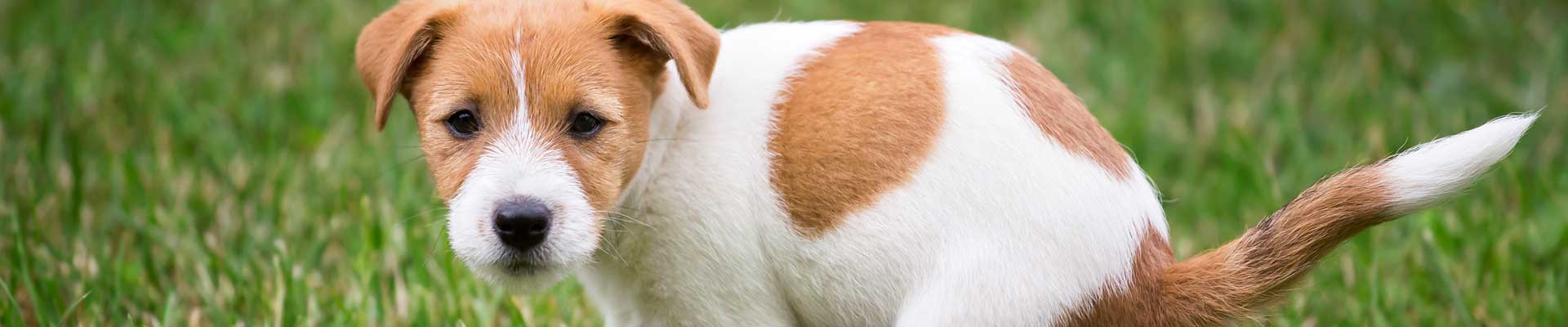


why do puppies eat poop? and how do I get them to stop?
Seeing your puppy eat poop can be shocking, gross, and a little stressful — but it’s a surprisingly common behavior.
It's called coprophagia, which is a type of pica (the compulsive eating of non-food items). Most puppies explore the world with their mouths, and many outgrow this habit on their own. That said, sometimes it can signal a health or behavioral issue, so it’s worth understanding why it happens and what you can do to help your pup break the habit.
If you need more guidance or have any health concerns, talk to your Banfield veterinary team. Find a Banfield near you

Common reasons your puppy might be eating poop
Puppies are curious little explorers, and sometimes that curiosity extends to poop. Understanding why your puppy does it can make it easier to manage.
- Curiosity and exploration: Puppies use their mouths to learn about the world, and poop is just another “thing” to investigate.
- Mimicking mom: Mother dogs often clean up after their puppies. Some pups may imitate this behavior, thinking it’s normal.
- Boredom or lack of stimulation: Puppies with excess energy or not enough mental enrichment may turn to eating poop as a form of entertainment.
- Attention-seeking: Some pups quickly learn that eating poop gets a strong reaction. Even if it’s negative attention, it can reinforce the behavior.
- Hunger or dietary deficiencies: Puppies who aren’t getting enough food or nutrients may try to supplement their diet in unusual ways.
- Stress or anxiety: Changes in routine, confinement, or harsh correction can sometimes trigger this behavior.
Most of the time, these causes are completely normal and manageable with supervision, training, and enrichment.
When to worry: Is this normal or a sign of a problem?
Not all poop-eating is a cause for alarm, but it helps to know the signs that signal a potential issue:
Green flag: Occasional, exploratory nibbling that stops on its own is usually normal puppy curiosity.
Yellow flag: Frequent or compulsive poop eating, especially after accidents, may indicate a behavioral or dietary issue that needs attention.
Red flag: Sudden onset of the behavior, noticeable weight loss, changes in appetite, or other health concerns should prompt a call to your vet.
Paying attention to the pattern and frequency helps you decide when to monitor and when to intervene.
Can poop eating be caused by illness or medication?
Sometimes, poop-eating can signal an underlying medical issue rather than just a quirky habit. Puppies with malabsorption problems, parasites, or diabetes may have increased appetite and may eat poop more often. Certain medications, like steroids, can also boost hunger and contribute to the behavior.
If your puppy’s poop-eating is frequent, sudden, or accompanied by other symptoms — like weight loss, diarrhea, or changes in appetite — schedule a vet checkup. We can rule out medical causes and give guidance on how to help your dog.
How to stop your puppy from eating poop
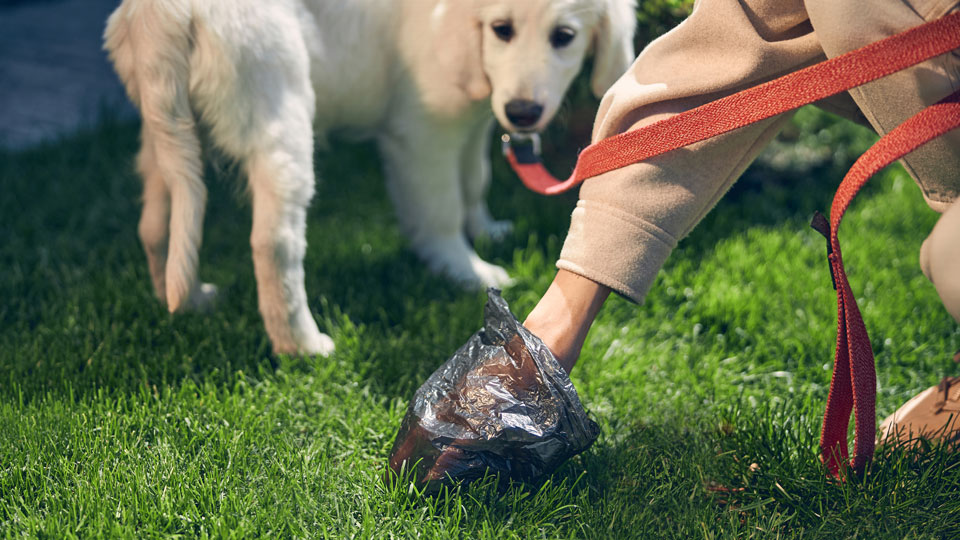
Prevention is the easiest and most effective strategy. Pick up your puppy’s poop right away and keep tempting areas, like litter boxes or other pets’ waste, out of reach.
Supervise your puppy during potty time and redirect their attention with a toy or treat before they can turn back to the poop. Praise and reward them immediately after they go in the right spot. It helps reinforce the behavior you want.
Avoid punishment, which can increase anxiety and make the behavior worse. For persistent cases, your vet may suggest deterrent supplements or dietary adjustments, but always follow professional guidance.
When to call your vet: a quick checklist
While occasional poop eating is often normal, there are times to reach out for professional guidance:
- Sudden onset of the behavior
- Frequent ingestion of large amounts of poop
- Weight loss, vomiting, diarrhea, or other digestive symptoms
- No response to training or prevention strategies
If you’re worried or just want guidance, your Banfield veterinary team is always here to help.
Important Notice: The information provided on this page is for informational purposes only and is not a substitute for professional veterinary advice. Always consult a veterinarian with any questions regarding your pet's health or medical condition. Never disregard or delay seeking professional veterinary advice based on information from this page.
FAQs about puppies eating poop
Do puppies grow out of eating poop on their own?
Many puppies eventually stop as they mature, but some need guidance and consistent supervision to break the habit.
Is my puppy eating poop for attention?
Sometimes, yes. Puppies quickly learn that certain behaviors get a big reaction, so redirecting calmly and offering praise for good habits is more effective than scolding.
Is eating poop part of normal puppy exploration?
Absolutely. Puppies use their mouths to explore, and poop is just another “thing” they investigate, which is usually outgrown with age and training.
Is my puppy eating poop to hide it from me?
Not exactly. While puppies may pick up and eat feces, it’s more likely curiosity or instinct than an attempt to “hide” it.
Does punishing a puppy for accidents cause them to eat poop?
Punishment can increase anxiety, which may actually make the behavior worse. Gentle redirection and positive reinforcement are far more effective.
When should I be worried about my puppy eating poop?
Frequent, compulsive behavior, sudden changes, or accompanying digestive issues are signs to contact your veterinarian.
What if my puppy suddenly starts eating poop?
A sudden change could indicate stress, boredom, or a medical issue. Make a vet appointment to rule out health concerns.
Can medication like steroids make a puppy eat poop?
Yes, some medications can increase appetite, which may lead to coprophagia. Always discuss any medication side effects with your vet.
Will providing more toys and mental stimulation help prevent my puppy from eating poop?
Yes, keeping your puppy engaged with enrichment and exercise can help reduce boredom and the likelihood of unwanted behaviors.
Should I give my puppy a treat right after they poop?
Rewarding potty success with a treat or praise immediately after they go outside helps reinforce good habits — before they have a chance to turn around.
Do puppies learn to eat poop by copying their mother?
Some do. Mother dogs often clean up after their puppies, and young pups may mimic this instinctual behavior.
What is the most effective way to stop a puppy from eating poop?
Pick up waste promptly, supervise potty breaks, redirect attention with toys or treats, and avoid punishment. In some cases, your vet may suggest safe dietary deterrents.
Questions? We’re here to help
If your puppy’s poop-eating habit has you worried (or just plain grossed out), you’re not alone. Your Banfield veterinary team is here to help rule out any health concerns and create a plan that fits your pup’s needs.
Want to tackle every stage of puppyhood? Explore our Optimum Wellness Plans®, which include unlimited office visits, 24/7 Pet Chat™ (available in most states), nutrition counseling, and more.


Early Care
Designed for growing puppies.
Help protect your puppy from harmful diseases and support their health as they grow.
See what's included
Early Care Plus
Designed for growing puppies – includes a spay or neuter surgery.
All the services in Early Care, plus an additional discount and a spay or neuter procedure.
See what's included

doggie dilemma? cat conundrum?!


 Pet Chat™


 Appointment details


 Pittsburgh Village East
 847-816-4667


 Notes for the vet

 This is a note for users pertaining to specific appointment types, requests, requirements, or other items.