


 Veterinary care
 Ways to get care
 Visit information
 Pet wellness plans
 Virtual petcare
 Pet Chat™ information
 Locations
 MyBanfield
 Shop packages now
 Request information
 Package FAQs
 NEW! Banfield Access Plan
 Pet health articles
 Puppy care
 Kitten care
 Senior care
 Dental care
 Diet and nutrition
 Ear care
 Parasites
 Fleas
Fleas Ticks
Ticks Mites and mange
 Worms
Worms Skin and coat care
 Mobility
 First aid
 Vaccinations
 End of life care
 Podcast - Not Just Fluff
 Traveling with your pet
 Video vault
 About us
 Contact us
 Newsroom
 Our leadership
 Shop
Shop
 Locations/appointments



how much should I feed my puppy?
Feeding your puppy can be a challenge when you first bring them home. How much is enough? How often should they eat? What if they’re always hungry or never seem to finish a meal?
Take a breath. Puppy feeding isn’t an exact science, and their needs will change quickly as they grow. What matters most is paying attention to their body, energy, and appetite.
Puppy feeding is a journey, and you don’t have to navigate it alone. Work with your Banfield vet to create a plan that keeps them thriving. One-on-one nutrition counseling is available with all Optimum Wellness Plans®! Explore puppy packages

How many times a day should I feed my puppy?
Puppies have small stomachs and high energy needs, which means they need to eat often. Here’s a simple guide for how frequently to feed your puppy based on their age:
- Under 12 weeks: 4 small meals per day
- 3–6 months: 3 meals per day
- Over 6 months: 2 meals per day
Smaller breeds may need slightly more frequent meals to help maintain steady blood sugar levels. As your puppy gets closer to 1 year (or up to 18 months for larger breeds), you can start transitioning to an adult feeding schedule — typically two meals a day.
If you’re ever unsure when to make that change, your veterinary team can help you adjust based on your puppy’s breed, growth rate, and daily activity.
How much food should my puppy eat per meal?
Every pup is unique, but most dog food brands include a feeding chart on the bag or can, which is a great place to start. These charts usually list amounts based on your puppy’s current weight and expected adult size.
Use a measuring cup or food scale (not your eyes) to portion each meal. For example, an 8-week-old, 10-pound puppy may need about 1½ cups of food per day, divided into 3 or 4 small meals.
Your puppy’s appetite will shift as they grow, so don’t be surprised if what worked one month needs tweaking the next. Regular weigh-ins can help you stay on track and avoid overfeeding or underfeeding.
Vet tip: If your pup gets a lot of treats throughout the day, adjust their meal portions to avoid overfeeding (treats should make up no more than about 10% of their daily calories). You can also use a handful of their regular kibble as training rewards; just remember to subtract that amount from their total daily food.
What is a puppy feeding chart? And how do I use it?
A feeding chart is a reference guide, usually found on your dog’s food packaging. It estimates how much food your puppy needs per day based on their weight and expected adult size. Most charts are designed around average calorie needs, and the recommendations will vary depending on the brand and type of food.
You can estimate your puppy’s expected adult weight by asking your vet or referencing a breed-specific growth chart.
Keep in mind: feeding charts are just guidelines! Your puppy’s actual metabolism, energy level, and body type also play a big role. If your puppy seems constantly hungry or is gaining weight too quickly, fine-tune their portions to find the right balance.
Is my puppy eating the right amount?
It’s common to worry whether your puppy is eating too much or not enough. Here are a few clues to help you tell the difference:
Signs of overfeeding
- Soft or loose stool
- A belly that stays round or bloated after meals
- Rapid weight gain
Signs of underfeeding
- Easily visible ribs or hip bones
- Low energy or lethargy
- Slower-than-expected growth
Some of these signs can signal mor then just under or overfeeding. Always check in with your vet if you notice something unusual.
The body condition score (BCS)
A helpful way to assess your puppy’s weight is by feeling their ribs. You should be able to feel them easily without pressing hard but not see them clearly. Viewed from above, your puppy should have a visible waist and a gentle tuck in the belly.
If you’re unsure, your vet can use a formal Body Condition Score (BCS) chart to help determine whether your puppy is on track.
How do I adjust food as my puppy grows?
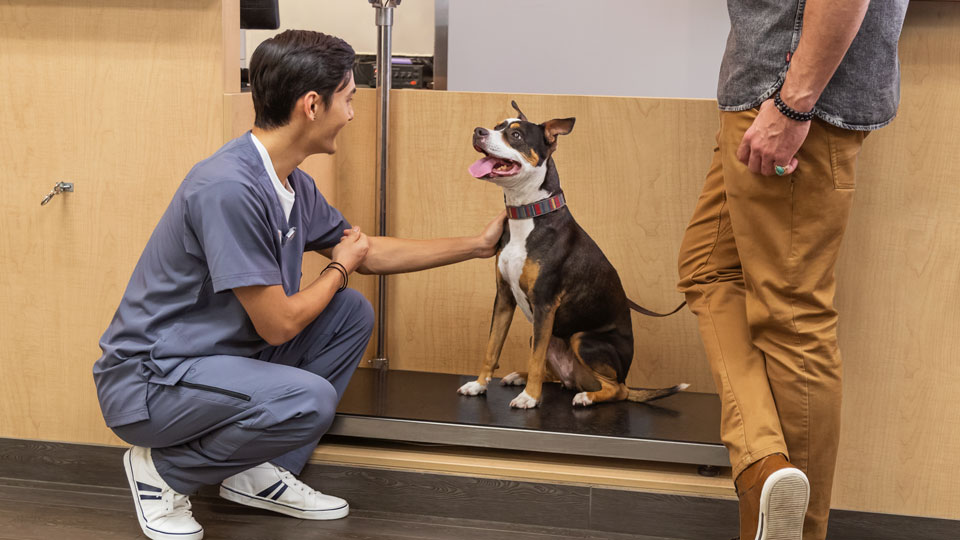
Your puppy will go through several growth spurts, often followed by slower periods where appetite and energy level dip. That’s normal, and you may need to adjust portion sizes at the following times:
- Rapid growth phases (often around 3–6 months)
- After a spay or neuter surgery
- At 6–12 months, when metabolism begins to stabilize
Make changes gradually. Small adjustments over a week or two are easier on your puppy’s digestive system. Your veterinary team can help monitor your puppy’s weight and growth curve. Banfield’s Optimum Wellness Plans include unlimited office visits, so you can have check-ins whenever you need.
When should I switch from puppy food to adult dog food?
Most puppies transition to adult food around 12 months, but the timing depends on their breed and size:
- Small breeds: around 10–12 months
- Medium breeds: around 12 months
- Large and giant breeds: closer to 15–18 months
Transition slowly over 7–10 days by mixing increasing amounts of the new food with the old.
Signs your puppy may be ready for adult food:
- Growth begins to plateau
- Appetite or energy level evens out
- Your vet recommends it
Any of these can mean your puppy is ready for adult food. Keep in mind that switching too early can deprive your puppy of important nutrients needed for bone and muscle development, so check with your vet before making the change.
Feeding tips for common situations
If your puppy is always hungry
Puppies burn calories fast, especially during growth spurts. Make sure you’re measuring food accurately and feeding a high-quality, balanced puppy formula. If your puppy still seems ravenous, ask your vet to check their weight to rule out parasites, food allergies, or other factors like the inability to absorb nutrients (EPI).
If your puppy isn’t finishing meals
Some puppies self-regulate. If they skip food once in a while but seem healthy and energetic, that’s okay. But if they regularly refuse meals or lose interest in eating, contact your vet.
Treats and training snacks
Treats should make up no more than 10% of your puppy’s daily calories. Choose low-calorie training treats or use small portions of their regular kibble.
How long to leave food down
Give your puppy about 15–20 minutes to eat, then remove any leftovers. Scheduled mealtimes help regulate digestion and build good habits for adulthood. This can also help with potty training by helping bowel movements be more predictable.
Is wet or dry food better for puppies?
Both wet and dry puppy foods can provide complete, balanced nutrition. The right choice often depends on your puppy’s preferences, dental health, and your routine.
Dry food (kibble): convenient, easy to measure, and helps reduce tartar buildup
Wet food: higher in moisture, more aromatic, and can be easier for picky eaters or small breeds to chew
Many pet owners use a combination approach, mixing a little wet food into kibble for added flavor and hydration. If you switch food types, do it gradually over a week to help prevent an upset stomach.
What if my puppy won’t eat?
A puppy suddenly losing interest in food can be worrisome, especially when they’re still growing fast. However, appetite changes are common, and most causes are temporary or easy to fix once you identify what’s going on.
Common reasons your puppy may not want to eat:
Stress or environment changes: A new home, loud noises, or unfamiliar people can make your puppy too anxious to eat. Keep mealtime calm and predictable, and feed them in the same quiet spot each day.
Teething pain: Between 3 and 6 months, sore gums can make chewing uncomfortable. Try softening their kibble with warm water or mixing in a bit of wet food.
Too many treats or table scraps: Puppies who get a lot of extras may start holding out for “something better.” Stick to their regular puppy food and limit treats to training rewards (no more than 10% of daily calories).
Inconsistent feeding times: Puppies thrive on routine. Skipping or shifting mealtimes can throw off their appetite and digestion. Offer food at the same times every day and remove leftovers after 15–20 minutes.
Picky eating habits: Some puppies learn that refusing food gets attention or special treatment. Resist the urge to constantly change foods. Instead, stay consistent and praise them when they eat their regular meals.
Food temperature or texture: Some pups prefer room-temperature food instead of cold food. And some pups prefer slightly moistened kibble for easier chewing. You may have to experiment to see what works best.
When it might be medical
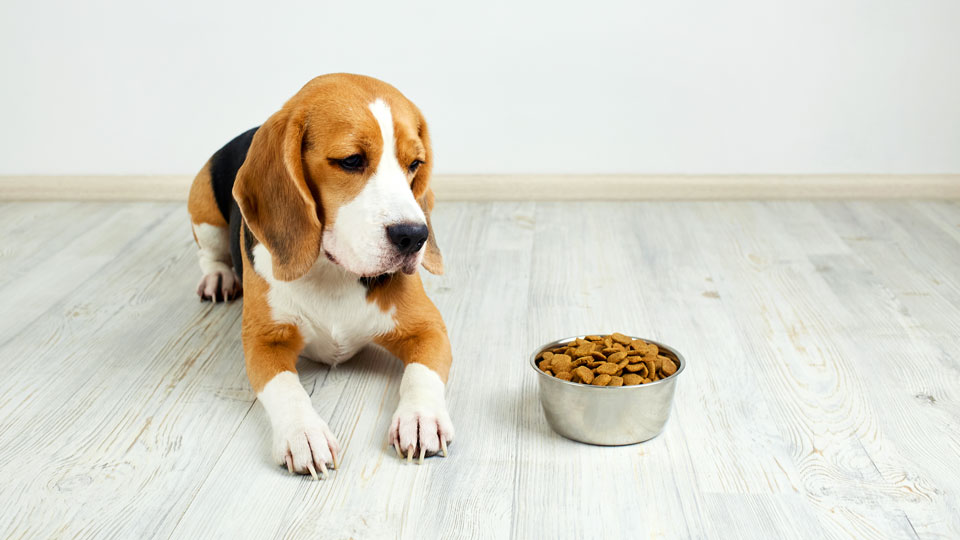
Loss of appetite can sometimes point to a health issue, such as any of these:
- Stomach upset, vomiting, or diarrhea
- Worms or intestinal parasites
- Viral or bacterial infections
- Mouth pain or dental problems
- Nausea from eating too fast or swallowing something they shouldn’t
If your puppy refuses food for more than a day, or shows other symptoms like vomiting, lethargy, or dehydration, call your veterinarian right away. Very young or small-breed puppies can develop low blood sugar quickly, so don’t wait to seek help.
How to get your puppy eating again
- Offer meals on a calm, consistent schedule.
- Keep food and water bowls clean.
- Avoid overdoing treats or people food.
- Encourage gentle play before meals to build appetite.
- Try warming food slightly or adding a spoonful of puppy-safe wet food for aroma.
If nothing seems to help, your Banfield veterinary team can examine your puppy, rule out medical causes, and guide you toward a feeding plan that fits their age, breed, and temperament. Sometimes, all it takes is a few small changes to get your puppy’s appetite back on track!
Do spayed or neutered puppies need less food?
After a puppy is spayed or neutered, their metabolism may slow down slightly, meaning they could need fewer calories than before surgery. Hormonal changes affect how their body uses energy and builds muscle. Many puppies also become a little less active during recovery or in the weeks that follow, which can lead to gradual weight gain if portions aren’t adjusted.
That said, every puppy is different. Some bounce right back to their usual energy levels, while others stay calmer as they mature. The best way to tell if your puppy needs less food is to watch their body condition. You should be able to feel their ribs without pressing too hard and see a defined waist when viewed from above.
If your puppy starts gaining weight after surgery, try reducing portions slightly or switching to a food designed for healthy weight maintenance (with guidance from your vet). Learn more about spaying and neutering
Important Notice: The information provided on this page is for informational purposes only and is not a substitute for professional veterinary advice. Always consult a veterinarian with any questions regarding your pet's health or medical condition. Never disregard or delay seeking professional veterinary advice based on information from this page.
FAQs about feeding puppies
When should I reduce my puppy’s number of daily meals?
Usually between 3 and 6 months, as your puppy’s stomach grows and can handle larger meals.
How much should I feed my puppy after neutering or spaying?
You may need to reduce portions slightly. Your vet can guide you based on activity level and body condition.
Do puppies’ energy needs change after being spayed?
Yes, their energy needs may drop a bit, so watch weight and adjust food gradually.
When do puppies lose their round puppy belly?
Most slim down between 6 and 9 months as growth evens out.
Is it okay if I can’t see my puppy’s ribs?
Yes, this is okay. You shouldn’t be able to see their ribs easily. You should be able to feel them without pressing hard though.
What should a healthy puppy’s body shape look like from above?
A slight waist behind the ribs and a gentle belly tuck underneath.
How long should I leave food down at each meal?
About 15–20 minutes, then remove any uneaten food.
Should I reduce kibble if I give training treats?
Yes. Treats count toward daily calories, so adjust meal portions slightly.
How can I estimate my puppy’s adult weight for feeding charts?
Your vet can help using growth curves based on breed, age, and current weight.
When to talk to your vet
Even with the best feeding plan, it’s normal to have questions or concerns along the way, especially as your puppy grows and their appetite changes. Your Banfield veterinary team is here to guide you through every stage, from portion adjustments to diet transitions and everything in between.
Reach out if you notice any of the following:
- Sudden changes in appetite (eating much more or less than usual)
- Vomiting or diarrhea after eating
- Ongoing weight issues, such as gaining too quickly or struggling to keep weight on
- Food sensitivities, allergies, or frequent stomach upset
- Questions about switching foods, supplements, or feeding schedules
Take your petcare to the next level
If you're unsure whether you're feeding the right amount, we’re here to help. Schedule a visit with your Banfield veterinary team to discuss your puppy’s diet and growth.
Make an appointment

Early Care
Designed for growing puppies.
Help protect your puppy from harmful diseases and support their health as they grow.
See what's included
Early Care Plus
Designed for growing puppies – includes a spay or neuter surgery.
All the services in Early Care, plus an additional discount and a spay or neuter procedure.
See what's included

doggie dilemma? cat conundrum?!


 Pet Chat™


 Appointment details


 Pittsburgh Village East
 847-816-4667


 Notes for the vet

 This is a note for users pertaining to specific appointment types, requests, requirements, or other items.