


 Veterinary care
 Ways to get care
 Visit information
 Pet wellness plans
 Virtual petcare
 Pet Chat™ information
 Locations
 MyBanfield
 Shop packages now
 Request information
 Package FAQs
 NEW! Banfield Access Plan
 Pet health articles
 Puppy care
 Kitten care
 Senior care
 Dental care
 Diet and nutrition
 Ear care
 Parasites
 Fleas
Fleas Ticks
Ticks Mites and mange
 Worms
Worms Skin and coat care
 Mobility
 First aid
 Vaccinations
 End of life care
 Podcast - Not Just Fluff
 Traveling with your pet
 Video vault
 About us
 Contact us
 Newsroom
 Our leadership
 Shop
Shop
 Locations/appointments




puppy shot schedule: a guide to vaccine needs and timing
Bringing home a new puppy comes with a mix of joy, cuddles, and (let’s be honest) a lot of questions. One of the most important and sometimes confusing parts of early puppy care is getting their vaccines on track.
Vaccinations protect your puppy from serious, sometimes life-threatening diseases, and they’re the foundation for a healthy life full of adventures. The key is timing: puppies need a series of vaccines and boosters to build strong immunity.
We're here to make vaccines as easy and stress free as possible. During your puppy’s first visits, your veterinarian will create a vaccine plan, answer your questions, and make sure your pup gets off to a strong start. Visit your local Banfield

What does “fully vaccinated” mean for puppies?
A puppy is considered fully vaccinated after completing their full series of core vaccines, which protect against serious diseases like parvovirus and distemper. Most puppies reach this milestone around 16–18 weeks old, and their immune system needs about another week or two after the last shot to be fully protected.
It’s easy to think one shot might be enough, but protection takes time to build. Each booster adds another layer of defense, helping your furry friend grow stronger and safer with every visit until they’re ready to explore the world.
Puppy vaccine schedule by age
Every puppy is one of a kind, so your vet will create a vaccination plan that fits them best. Here’s a general timeline most puppies follow to stay on track:

6–8 weeks:

10–12 weeks:

14–16 weeks:
These vaccines work best when given on schedule, and they’re timed to help your puppy’s immune system build strong, lasting protection. However, if a dose gets delayed, your vet can help get things back on track so your pup stays safe.
A breakdown of puppy vaccines
Vaccines protect your puppy from contagious, sometimes life-threatening diseases. Some are considered core vaccines, essential for every dog, while others are lifestyle vaccines, recommended based on where you live and what activities your pup enjoys. Learn more about dog vaccines
Core vaccines: the essentials for every puppy
Core vaccines protect against the most common and dangerous diseases:
- DHPP: This combination vaccine shields your puppy from several serious illnesses (distemper, hepatitis, parvovirus, and parainfluenza) that can spread quickly among dogs.
- Rabies: Required by law in most states, the rabies vaccine protects your dog and your community from a fatal disease that can also affect humans.
Together, these vaccines form the foundation of your puppy’s immune protection.
Lifestyle vaccines: extra protection based on your pup’s way of life
These vaccines are recommended based on your puppy’s environment and routine.
- Bordetella (kennel cough): Commonly required for boarding, grooming, or doggy daycare
- Leptospirosis: Protects against bacteria found in water and soil that can also infect people
- Lyme disease: Recommended if you live in or travel to areas where ticks are common
Tip: If you plan to visit dog parks, groomers, or hiking trails, talk with your veterinarian about which lifestyle vaccines are right for your puppy.
What to expect at a puppy vaccine appointment
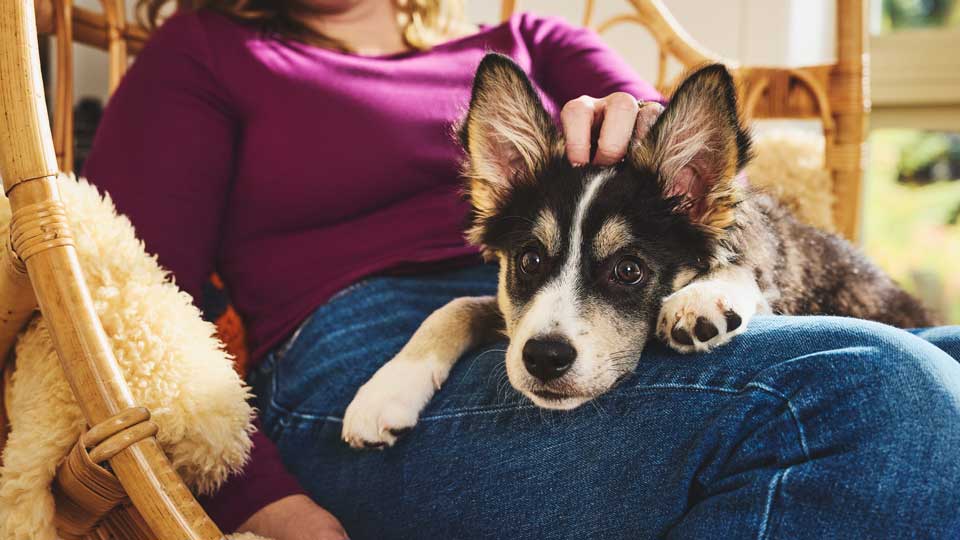
Your puppy’s vaccine visit isn’t just getting shots; you’ll also get a chance to ask your vet questions. During the appointment, your veterinary team will:
- Do a gentle physical exam to make sure your puppy is healthy enough for vaccines.
- Review your puppy’s history and lifestyle to tailor the vaccination plan.
- Give treats, praise, and reassurance to help your puppy stay calm and comfortable.
It’s normal for them to be a little sleepy or sore afterward, just like people can be after a flu shot. If your puppy seems extra tired, offer a quiet space and plenty of snuggles.
Common side effects after puppy shots
Most puppies handle their vaccines like champs. However, it can also be common for them to slow down a bit afterward. They may nap more, eat a little less, or seem tender where they got their shot. These mild reactions are normal signs that their body's immune system is working. With rest, comfort, and plenty of cuddles, your pup should be back to their usual self in no time.
Normal side effects:
- Sleepiness or lower energy: Your puppy may nap more than usual for a day.
- Mild soreness or swelling at the injection site: It’s usually a small, firm bump that fades within a few days.
- Slight fever or reduced appetite: This is temporary and typically nothing to worry about.
When to call your vet:
If you notice anything that doesn’t feel normal like vomiting, facial swelling, hives, labored breathing, or collapse, call your vet right away. They may recommend visiting an emergency veterinary hospital as soon as possible. These severe reactions are very rare but important to keep an eye on.
Our Optimum Wellness Plans® are packages of preventive petcare that include Pet Chat™. Pet Chat gives you 24/7 access to a veterinary professional who can let you know if something is normal or needs a closer look. (This service is available in most states.) Explore puppy plans
Important Notice: The information provided on this page is for informational purposes only and is not a substitute for professional veterinary advice. Always consult a veterinarian with any questions regarding your pet's health or medical condition. Never disregard or delay seeking professional veterinary advice based on information from this page.
Puppy vaccination FAQs
When can my puppy go outside or see other dogs?
Until your puppy finishes their full vaccine series (around 16–18 weeks), it’s safest to avoid public places like dog parks or pet stores where there may be unvaccinated dogs. Instead, plan controlled playdates with healthy, vaccinated dogs you know. It’s great for early socialization without unnecessary risk.
What happens if my puppy misses a vaccine?
Don’t worry! You won’t have to start over. Your veterinarian will simply adjust your puppy’s schedule to get them back on track. Staying consistent helps build strong, lasting protection, so make sure to reschedule any missed appointments as soon as possible.
How much do puppy shots cost?
Costs can vary by location and which vaccines your puppy needs. Call your local Banfield to confirm prices or visit our price estimator. Optimum Wellness Plans include routine vaccines (and reminders to keep you on schedule) — all for one predictable, discounted monthly price. Explore OWPs
What shots does my puppy need to go to daycare or the groomer?
Most facilities require proof of core vaccines (DHPP and rabies) plus Bordetella for kennel cough. Some may also ask for canine influenza or leptospirosis, depending on your area. Always check before your puppy’s first visit.
What is the difference between DHPP and DAPP?
They’re essentially the same combination vaccine. Both protect against distemper, adenovirus (hepatitis), parvovirus, and parainfluenza, which are the key diseases that make up the puppy core vaccine series.
Can I give my puppy vaccines at home?
It’s safest to have your puppy vaccinated by a veterinary professional. They ensure vaccines are stored, handled, and administered properly. Plus, they can keep an eye out for rare reactions. They’ll also track your puppy’s official medical record.
What’s the difference between 1-year and 3-year rabies shots?
Both protect against rabies, but the 3-year version lasts longer once your dog has completed their first-year booster. Your vet will determine which is appropriate based on local laws and your puppy’s vaccination history.
How can I keep track of my puppy’s vaccine records?
You can ask your vet to provide your pup’s medical records. You can also use the Banfield app or our online portal to easily access your puppy’s vaccination history, reminders, and upcoming appointments.
What comes after the puppy shots?
Your puppy’s first round of vaccines is just the beginning of their lifelong protection. As they grow, they’ll need booster shots (typically every one to three years) to keep their immunity strong against preventable diseases.
Staying up to date on vaccines is one of the simplest ways to safeguard your dog’s health through every stage of life.
Your puppy’s health is a journey, not a destination. Partner with Banfield for a lifetime of proactive, preventive care.


Early Care
Designed for growing puppies.
Help protect your puppy from harmful diseases and support their health as they grow.
See what's included
Early Care Plus
Designed for growing puppies – includes a spay or neuter surgery.
All the services in Early Care, plus an additional discount and a spay or neuter procedure.
See what's included


doggie dilemma? cat conundrum?!



 Pet Chat™


 Appointment details


 Pittsburgh Village East
 847-816-4667


 Notes for the vet

 This is a note for users pertaining to specific appointment types, requests, requirements, or other items.