


 Veterinary care
 Ways to get care
 Visit information
 Pet wellness plans
 Virtual petcare
 Pet Chat™ information
 Locations
 MyBanfield
 Shop packages now
 Request information
 Package FAQs
 NEW! Banfield Access Plan
 Pet health articles
 Puppy care
 Kitten care
 Senior care
 Dental care
 Diet and nutrition
 Ear care
 Parasites
 Fleas
Fleas Ticks
Ticks Mites and mange
 Worms
Worms Skin and coat care
 Mobility
 First aid
 Vaccinations
 End of life care
 Podcast - Not Just Fluff
 Traveling with your pet
 Video vault
 About us
 Contact us
 Newsroom
 Our leadership
 Shop
Shop
 Locations/appointments

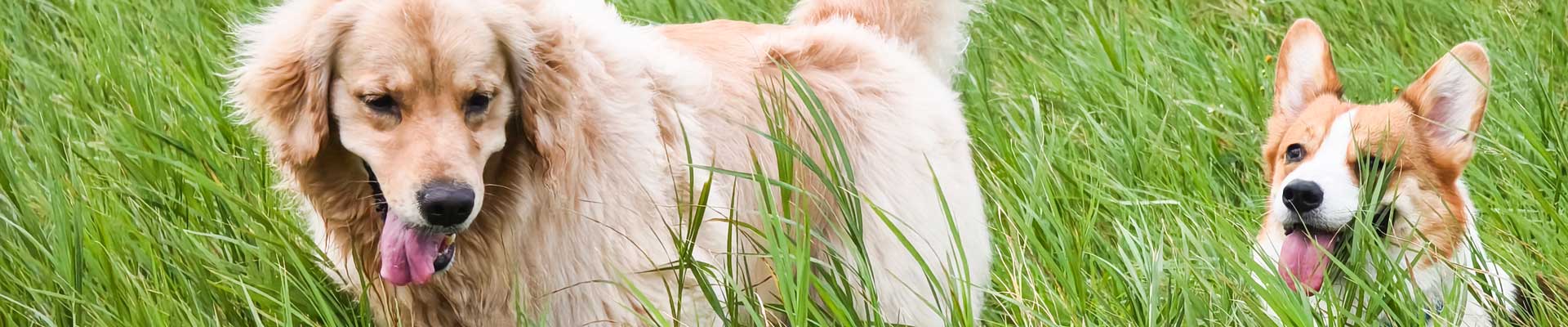


puppy’s first heat cycle: a guide to what’s happening
Your puppy’s first heat can feel like a big milestone — and also a confusing one. It’s completely normal to have questions about what’s happening, how long it will last, and what kind of care your puppy needs.
A dog’s first heat is simply a natural part of growing up. While it can bring a few behavioral and physical changes, most puppies manage this phase well, with the right care and preparation.
In this guide, you’ll learn:
- When to expect your puppy’s first heat and what signs to look for
- How long the cycle lasts (and what each stage means)
- How to care for your puppy’s comfort and hygiene
- When to talk to your veterinarian about spaying or any health concerns
If you’re feeling uncertain, that’s okay. Every puppy experiences this stage a little differently. Your veterinary team is always here to answer questions, help you plan next steps, and help make sure your puppy stays comfortable through every phase.
If you’re preparing for your puppy’s first heat or thinking about spaying, reach out to your neighborhood Banfield for personalized guidance and care. Find a Banfield near you

FAQs about your puppy’s first heat
Here are answers to some of the most common questions new puppy owners have. Understanding what’s happening can make the experience a lot less stressful.
Does breed affect when a puppy goes into heat?
Yes. Small-breed dogs may go into heat as early as 5 months old, while large and giant breeds may not have their first cycle until 18–24 months.
Is it possible to miss a puppy's first heat?
It can happen. Some dogs have a “silent heat,” where there’s little or no visible bleeding. Subtle behavior changes may be your only clue, so keep an eye out for restlessness or extra attention from male dogs.
Why is my puppy peeing more during heat?
Frequent urination is normal. It’s one way she signals her reproductive status to other dogs. Still, if your puppy strains to urinate or seems uncomfortable, check with your vet to rule out medical concerns.
Did you know that puppy Optimum Wellness Plans® include unlimited office visits? Get support and get your questions answered during their exciting first years.
Why is my dog holding her tail to the side?
This behavior, called “flagging,” is a sign that she’s in the fertile stage of her heat cycle and is receptive to males.
Will my dog try to run away while in heat?
She might. Female dogs in heat can be extra curious or determined to find a mate, so keep her securely indoors or on a leash whenever outside.
Accidents happen though, and puppies can be extra sneaky. Learn about how microchipping can help bring your pup home safely.
How far away can a male dog smell a female in heat?
Male dogs can detect a female in heat from miles away, which is another reason to never leave her unsupervised outdoors.
Should I change my puppy’s routine during her heat?
A little. Stick to familiar routines to help her feel secure, but avoid busy places like parks or daycare. Keep walks short and always leashed.
Read more about how to support your puppy during her cycle >
Is it okay to walk a dog in heat?
Yes, gentle walks are fine, but skip off-leash activities and crowded areas where male dogs might approach.
Can my dog go to daycare or the dog park while in heat?
No. It’s best to keep her home until her cycle is completely finished to prevent unwanted attention or accidental breeding.
What are doggy diapers, and should I use them?
Doggy diapers (washable or disposable) can help keep your home clean and prevent messes from discharge. Just be sure to change them often to avoid irritation.
What is considered excessive bleeding in dogs?
If bleeding is heavy, lasts more than 3–4 weeks, or soaks through diapers quickly, contact your vet right away.
Why is my puppy so thirsty after her heat cycle?
Mild changes in thirst can be normal, but persistent or excessive drinking could signal hormonal changes or infection. If it lasts more than a few days, call your vet.
When do puppies go into heat for the first time?
Most puppies experience their first heat cycle between 6 and 12 months of age, though timing can vary widely. Small breeds may start as early as 5 months, while large and giant breeds sometimes don’t go into heat until 18 to 24 months.
Every dog’s body develops at its own pace, and differences in breed, genetics, and environment can all play a role. If your puppy hasn’t gone into heat by the time you expect (or seems to be showing early or irregular signs), it’s a good idea to check in with your veterinarian. They can help rule out hormonal or developmental issues and guide you on what’s normal for your puppy’s breed and size.
What are the signs of a puppy’s first heat?
Your puppy’s first heat comes with both physical and behavioral changes, and some are easier to spot than others. The most common signs include:
- Swollen vulva: This is often the first visible change.
- Light bloody discharge: Color may vary from pink to reddish-brown and usually lessens over time.
- Frequent urination: Hormonal changes make your puppy mark more often to signal readiness to mate.
- Behavior shifts: Some dogs become extra affectionate or clingy, while others may seem restless, vocal, or irritable.
- “Flagging” tail position: Many dogs hold their tail to the side when touched near the back — a sign of being receptive to male dogs.
- Increased licking of the genital area: A normal self-cleaning behavior during this time.
These are all normal, and some dogs may show some, all, or none of these signs. Dogs can go through a “silent heat,” where physical symptoms are mild or bleeding is barely noticeable. That’s why supervision and awareness are key, especially if your puppy interacts with intact male dogs.
How long does a puppy stay in heat?
A typical heat cycle lasts about 2 to 4 weeks, but it can vary depending on your puppy’s age, size, and breed. Understanding the stages of the cycle helps you know what’s normal and when extra care is needed.
Here’s a quick breakdown of the four stages of the canine heat cycle:
- Proestrus (about 7–10 days):
You’ll notice swelling of the vulva and light bleeding. Male dogs will be interested, but your puppy isn’t ready to mate yet. - Estrus (about 5–10 days):
This is the fertile window. Discharge often lightens in color, and your puppy may start flagging her tail or showing interest in males. This is when pregnancy can occur, so supervision and separation are even more essential than in the other stages. - Diestrus (about 2 months):
Hormone levels begin to stabilize. Behavior returns to normal, and discharge stops. Your puppy is no longer fertile during this phase. - Anestrus (4–5 months):
This is the resting phase before the next cycle begins. Her body and behavior should be back to baseline. You may notice that the vulva doesn’t return to the small juvenile size.
Even though visible signs of heat fade after a few weeks, hormonal shifts can linger, so don’t be surprised if your puppy seems a little tired or clingy afterward.
Can my puppy get pregnant during her first heat?
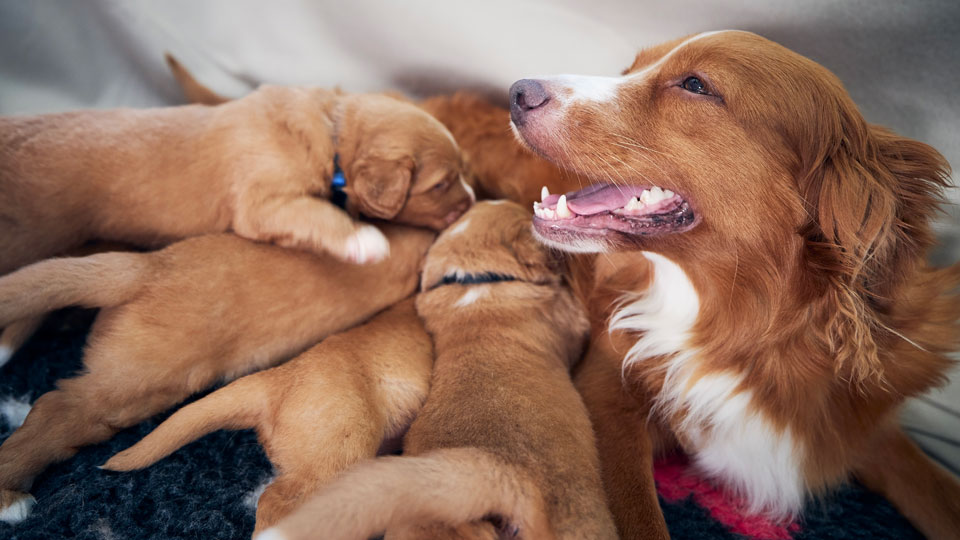
Yes! Even during her very first heat, your puppy can get pregnant. Once she enters the fertile phase (Estrus), her body is capable of conceiving, even though she’s still physically and emotionally immature.
It’s important to supervise her closely and avoid any contact with intact male dogs during this time. That includes time at the dog park, daycare, or even unsupervised moments in the backyard. Male dogs can detect a female in heat from miles away.
Pregnancy at such a young age can be risky. Puppies that become mothers too early are still growing themselves, which can increase complications during pregnancy and birth. It can also take a toll on their energy, nutrition, and long-term health.
If you think your puppy may have been exposed to a male dog while in heat, contact your veterinarian right away. They can discuss next steps and help you decide on the safest path forward.
Should I spay my puppy before or after her first heat?
Deciding when to spay your puppy is one of the most important health choices you’ll make, and there’s no one-size-fits-all answer.
Spaying before the first heat offers clear health benefits: it dramatically reduces the risk of mammary (breast) cancer and eliminates the chance of pyometra, a serious uterine infection that can be life-threatening. It also prevents unwanted pregnancies and can make long-term behavior and hygiene easier to manage.
However, some veterinarians recommend waiting until after your puppy reaches physical maturity, especially for large or giant breeds. Waiting a bit longer can support healthy bone and joint development, and may decrease the risk of some other forms of cancer. Learn more about spaying and neutering
How to care for a puppy in her first heat
Your puppy may act a little different during her first heat, and that’s nothing to worry about. This stage can bring mood swings, mild discomfort, and new behaviors, so a little extra patience and care will go a long way.
Keep her comfortable: Provide soft bedding in a quiet space away from household activity. Some puppies may want extra affection, while others prefer alone time. Follow her lead.
Watch her mood and energy: It’s common for puppies in heat to seem more tired, clingy, or irritable. Offer gentle play and short walks to help her stay active without overexertion.
Stay on top of hygiene: You might notice a light discharge that can last a couple of weeks. Dog-safe diapers (disposable or washable) can help protect furniture and floors. Change them regularly and clean with a pet-safe enzymatic cleaner to reduce odor.
Adjust her routine: Skip dog parks, daycare, and off-leash play until her cycle is over. Even well-trained dogs can behave unpredictably when hormones are high, and males can detect a female in heat from far away. Keep her on a leash for all outdoor walks.
Keep her hydrated and fed: Some dogs may eat less or more during this time, so stick to consistent feeding times and make sure she always has access to fresh water.
This phase may last only a few weeks, but it’s an important learning experience for both of you.
When to call your vet

Most of the time, a puppy’s first heat is completely normal, but sometimes, it can be hard to tell what’s expected and what might signal something more serious. When in doubt, it’s always okay to reach out to your vet for guidance.
Call your veterinarian if you notice:
- Excessive bleeding (soaking through a diaper or lasting longer than 3–4 weeks)
- Discharge with a foul odor, which could indicate infection
- Extreme lethargy or loss of appetite
- Swelling that doesn’t go down after the heat cycle ends
- Signs of fever or pain (panting, whining, shaking)
Also contact your vet if your puppy’s behavior suddenly changes, if she seems unusually thirsty, or if you suspect conditions like split heat (a paused cycle that returns weeks later), phantom pregnancy, or pyometra — a serious uterine infection that requires immediate care.
Banfield teams are here to help. See us for gentle reproductive exams, spay timing, and answers to any reproductive health questions. Make an appointment or reach out 24/7 through Pet Chat™ (available in most states) with Optimum Wellness Plans.
Important Notice: The information provided on this page is for informational purposes only and is not a substitute for professional veterinary advice. Always consult a veterinarian with any questions regarding your pet's health or medical condition. Never disregard or delay seeking professional veterinary advice based on information from this page.
Talk to your Banfield vet about your puppy’s next stage
Get the support you need with Optimum Wellness Plans designed specifically for puppies. They include unlimited office visits, plus there are options that include a spay or neuter.
Explore puppy Optimum Wellness Plans
Find your nearest Banfield Pet Hospital


Early Care
Designed for growing puppies.
Help protect your puppy from harmful diseases and support their health as they grow.
See what's included
Early Care Plus
Designed for growing puppies – includes a spay or neuter surgery.
All the services in Early Care, plus an additional discount and a spay or neuter procedure.
See what's included


doggie dilemma? cat conundrum?!



 Pet Chat™


 Appointment details


 Pittsburgh Village East
 847-816-4667


 Notes for the vet

 This is a note for users pertaining to specific appointment types, requests, requirements, or other items.