



 Veterinary care
 Ways to get care
 Visit information
 Pet wellness plans
 Virtual petcare
 Pet Chat™ information
 Locations
 MyBanfield
 Shop packages now
 Request information
 Package FAQs
 NEW! Banfield Access Plan
 Pet health articles
 Puppy care
 Kitten care
 Senior care
 Dental care
 Diet and nutrition
 Ear care
 Parasites
 Fleas
Fleas Ticks
Ticks Mites and mange
 Worms
Worms Skin and coat care
 Mobility
 First aid
 Vaccinations
 End of life care
 Podcast - Not Just Fluff
 Traveling with your pet
 Video vault
 About us
 Contact us
 Newsroom
 Our leadership
 Shop
Shop
 Locations/appointments

 Print
Print
summer grooming tips for dogs and cats
No matter the season, staying up on your pet’s skin and coat care regimen is important. But summer is an extra-special time of year when your cutie’s exterior is most top of mind.
Not only is it when you might see a lot of extra fur lying around the house (seriously, how does that much fur come from such a little thing?), but it’s also the time of year when ticks and fleas are in abundance and love to hitch a ride on your pet.
In this blog post, we’ve got tips on how to check for those gross little blood-sucking insects, how to minimize shedding, and other important dos and don’ts when it comes to your furry friend’s skin and coat.
Should I trim my dog’s or cat’s hair in the summer?
The answer is no — please keep your pet’s regular grooming routine. Fur acts as a natural insulator for your pet’s body temperature, helping protect it from heat and sunburns and helping them regulate their body temperature. A light trim from the groomers to help prevent matting is often useful, but you do not need to trim your pet’s fur in the summer.
In addition, dogs and cats naturally shed more fur in the summer as they drop their winter undercoat. This shedding helps them handle the summer weather.
What to know about light-colored or hairless pets
If your pet has white or light-colored hair, or is hairless, the summer months carry another challenge you might have heard of — sunburn. Pets with thick dark hair are a bit more protected from sunburn. But if your cat loves to hang outside or by the window, keep an eye out for burning. We often see it around cats’ eyes or noses.
How to manage summer shedding
If you’ve been noticing a lot of fur around the house lately, don’t worry — it’s completely normal. Twice a year your dog or cat sheds to help prepare them for the hot months of summer and then the cool days of winter. To help cut down on fur all over the house (and couch…and car…and bed…), it’s important to groom your dog or cat, either professionally or at home.
Regular grooming includes brushing their coat every couple of days and bathing them every 4–6 weeks. If you need some assistance with getting your little stinker to cooperate at bath time, we have some helpful tips and videos over on our How to Give Your Pet a Bath page.
Should I check my dog or cat for fleas or ticks?
The answer is yes! Though fleas and ticks are a nuisance any time of year, they’re most active during the summer months. If you or your pet is spending more time outside, you should be checking your cutie’s skin and coat for ticks or fleas at the end of each day.
How to check for fleas on your dog or cat
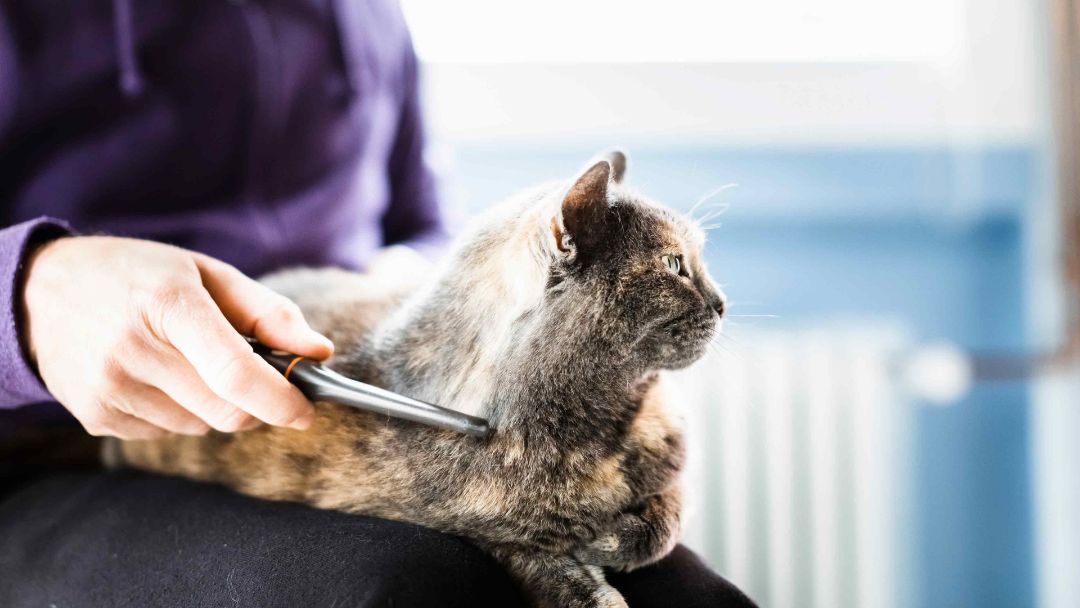
When it comes to fleas, use a flea comb and comb your pet’s hair from back to front.
Pay special attention to these areas:
- Neck
- Ears
- Armpits
- Groin
- Tail
- Hindquarters
How to check for ticks on your dog or cat
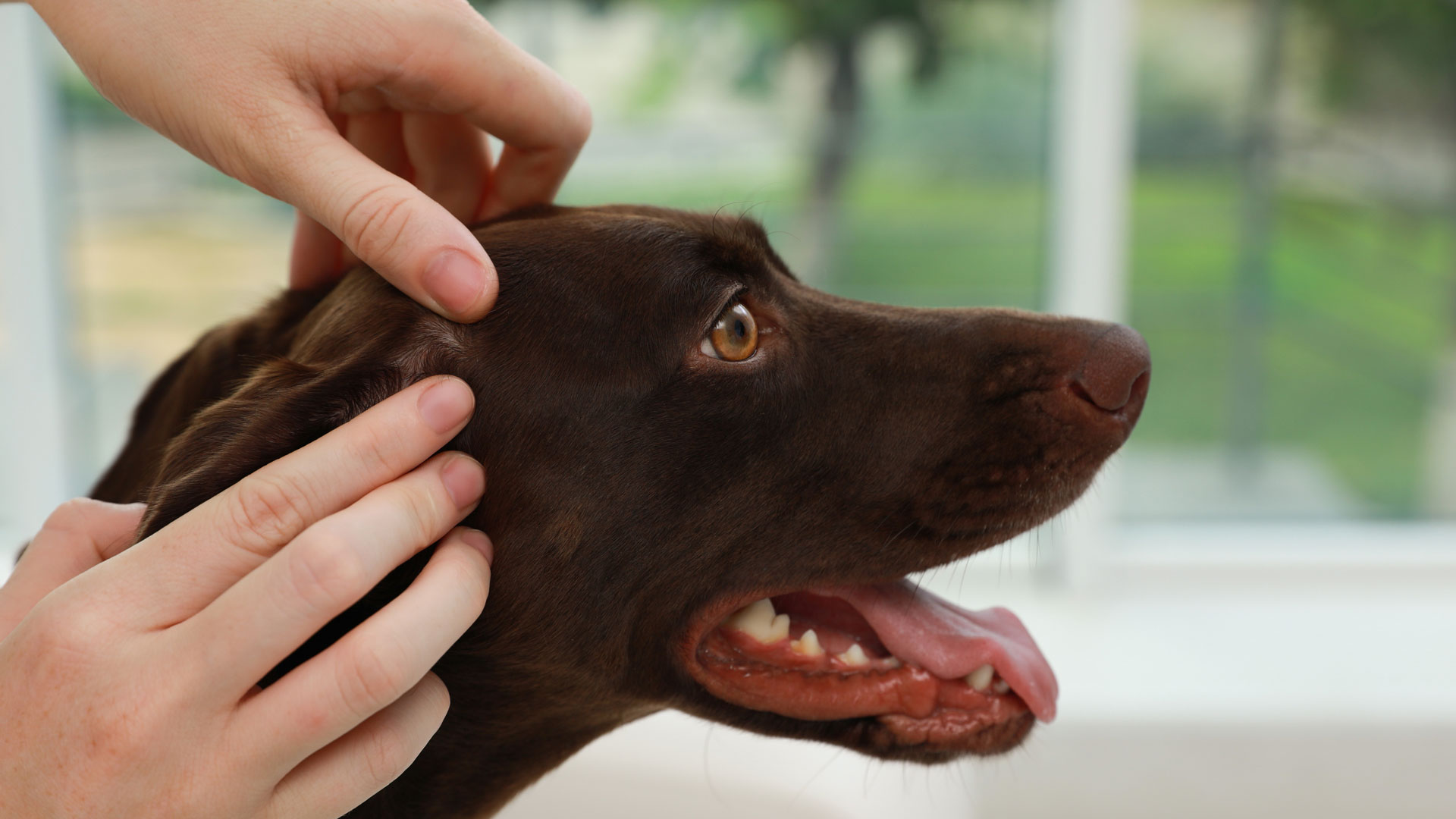
Similarly for ticks, you’ll want to check these areas:
- Eyes
- In and outside of the ears
- Under collars
- Between the front legs and back legs
- On the tail
- Between toes
We have some super helpful videos on where to look for these nasty little pests on your pet’s body, but we highly recommend keeping your dog or cat on regular tick or flea prevention medication. Your Banfield veterinarian can help you with this and answer any of your questions.
Are skin allergies for dogs and cats common in the summer?
Yes — skin allergies are more common in the summer due to higher temperatures, sweating, and exposure to triggers such as grasses, plants, fleas, and more.
What are the signs of skin allergies in dogs or cats?
If you notice irritated skin, skin redness, scabs, sores, or hair loss, your pet might be experiencing allergies. There’s a slew of different things your pet could be allergic to, including flea bites, environmental allergens, pollen, and dust mites.
If you think your little scratcher is experiencing allergies, it’s important to schedule an appointment with your veterinarian. They can help determine if it truly is an allergy and diagnose the culprit. They will most likely prescribe medication for your dog or cat that works with their immune system to help control the itch. Check out our resource on why your pet might be itchy.
Should I check my dog or cat regularly for lumps or bumps?
Yes, it’s always a good idea to regularly check for lumps or bumps on your pet’s skin. Summer, fall, winter, or spring — all year round is a good time to check your little loaf for skin no-nos. While dry, flaky skin and dandruff aren't abnormal, it could be a sign of an underlying health issue like allergies, nutritional deficiencies, or hormonal imbalances.
Red spots and skin irritation can indicate allergies or immune issues. As for lumps and bumps, they could be as innocuous as a wart or as serious as a tumor. Here’s a handy guide on what to look out for. If your pet is experiencing any of these symptoms, it’s important to schedule an appointment with your vet to get to the bottom of the issue.
Need help understanding your pet’s skin and coat? We’re happy to help! Schedule your next appointment at Banfield Pet Hospital.





 Pet Chat™


 Appointment details


 Pittsburgh Village East
 847-816-4667


 Notes for the vet

 This is a note for users pertaining to specific appointment types, requests, requirements, or other items.