



 Veterinary care
 Ways to get care
 Visit information
 Pet wellness plans
 Virtual petcare
 Pet Chat™ information
 Locations
 MyBanfield
 Shop packages now
 Request information
 Package FAQs
 NEW! Banfield Access Plan
 Pet health articles
 Puppy care
 Kitten care
 Senior care
 Dental care
 Diet and nutrition
 Ear care
 Parasites
 Fleas
Fleas Ticks
Ticks Mites and mange
 Worms
Worms Skin and coat care
 Mobility
 First aid
 Vaccinations
 End of life care
 Podcast - Not Just Fluff
 Traveling with your pet
 Video vault
 About us
 Contact us
 Newsroom
 Our leadership
 Shop
Shop
 Locations/appointments

 Print
Print
how to protect your dog’s or cat’s feet from hot pavement
Summer fun and safety
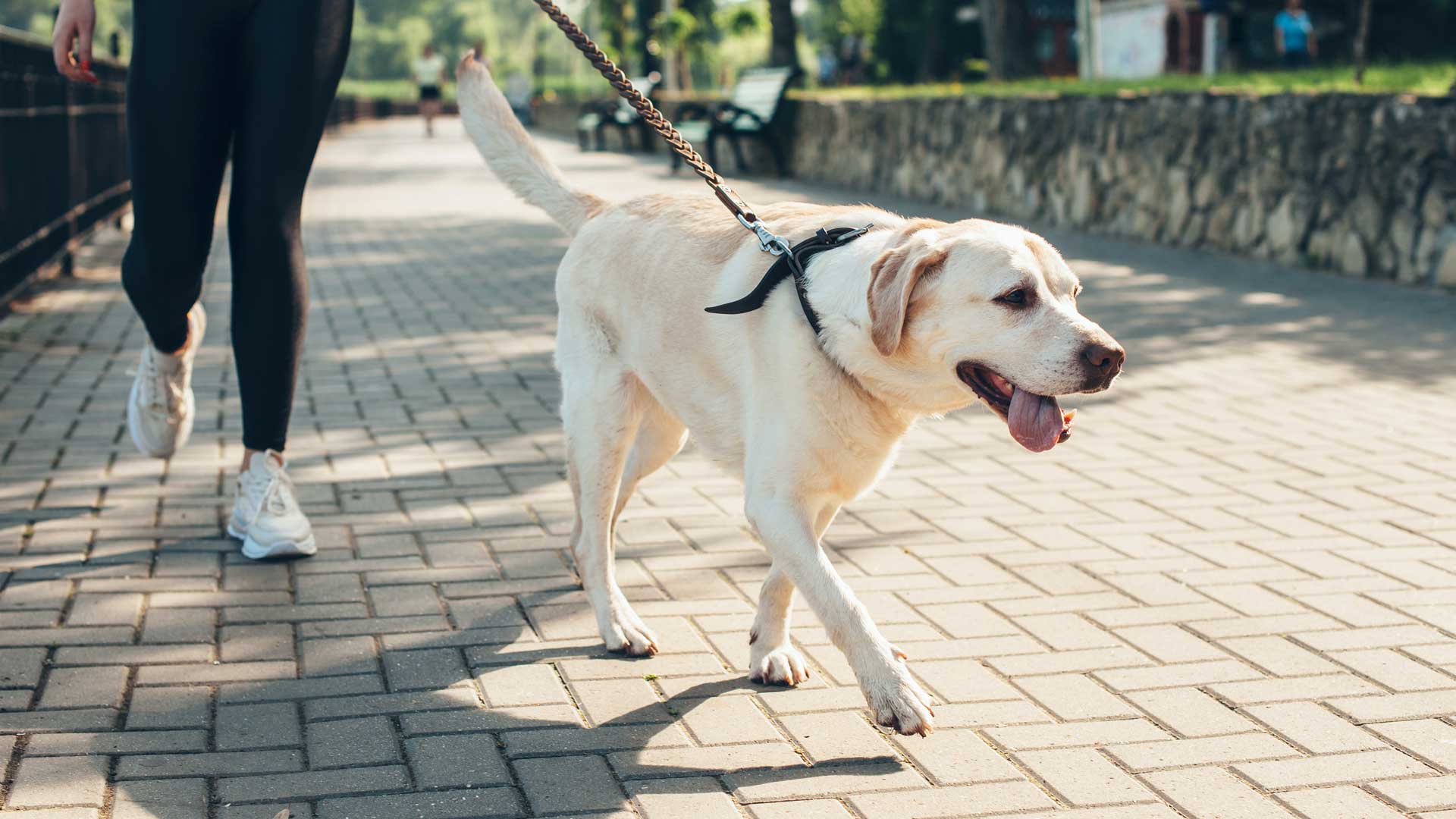
Summer is an exciting time to be outside, but it can also bring an often overlooked risk for your pet’s paws: hot pavement.
Asphalt, concrete, sand, and even artificial turf can get hot fast, and those surfaces can be uncomfortable, even harmful, for dogs’ or cats’ little feetsies.
In this blog, we’ll discuss when hot pavement is too hot and how to protect your pet.
Why hot pavement is a problem
Sometimes it’s hard to know when the ground is too hot for our little furry friend’s paws. Even if the air feels mild, it doesn’t always reflect how hot the ground really is.
But on a sunny day, pavement can become much hotter than you think it will be. And hot surfaces + furry paws = potential for irritated, blistered, or burned paws. Our pets can’t tell us when something is uncomfortable for them, so it’s up to us to keep them safe.
What to check for before going outside
A simple way to check whether the pavement is safe for your pet’s feet is a hand test.
Put the back of your hand on the ground for 7–10 seconds. If it feels too hot to keep your hand there, then it’s too hot for your pet’s paws.
This works for sidewalks, driveways, parking lots, patios, sand, and artificial turf — any surface that gets direct sunlight.
Ways to protect your pet’s paws
Keeping your pet’s paws protected is easy and affordable.
Walk during cooler timesEarly morning and later evening, when the sun is less prominent, are better times for walks or outdoor play. Midday sun, especially in areas with less shade, is a much bigger risk for your pet’s well-being.
Choose cooler paths
When possible, try to stick to grass, dirt trails, or shaded areas rather than sidewalks or asphalt, particularly if they’re in full sun. Natural ground tends to stay cooler.
Consider protective gear
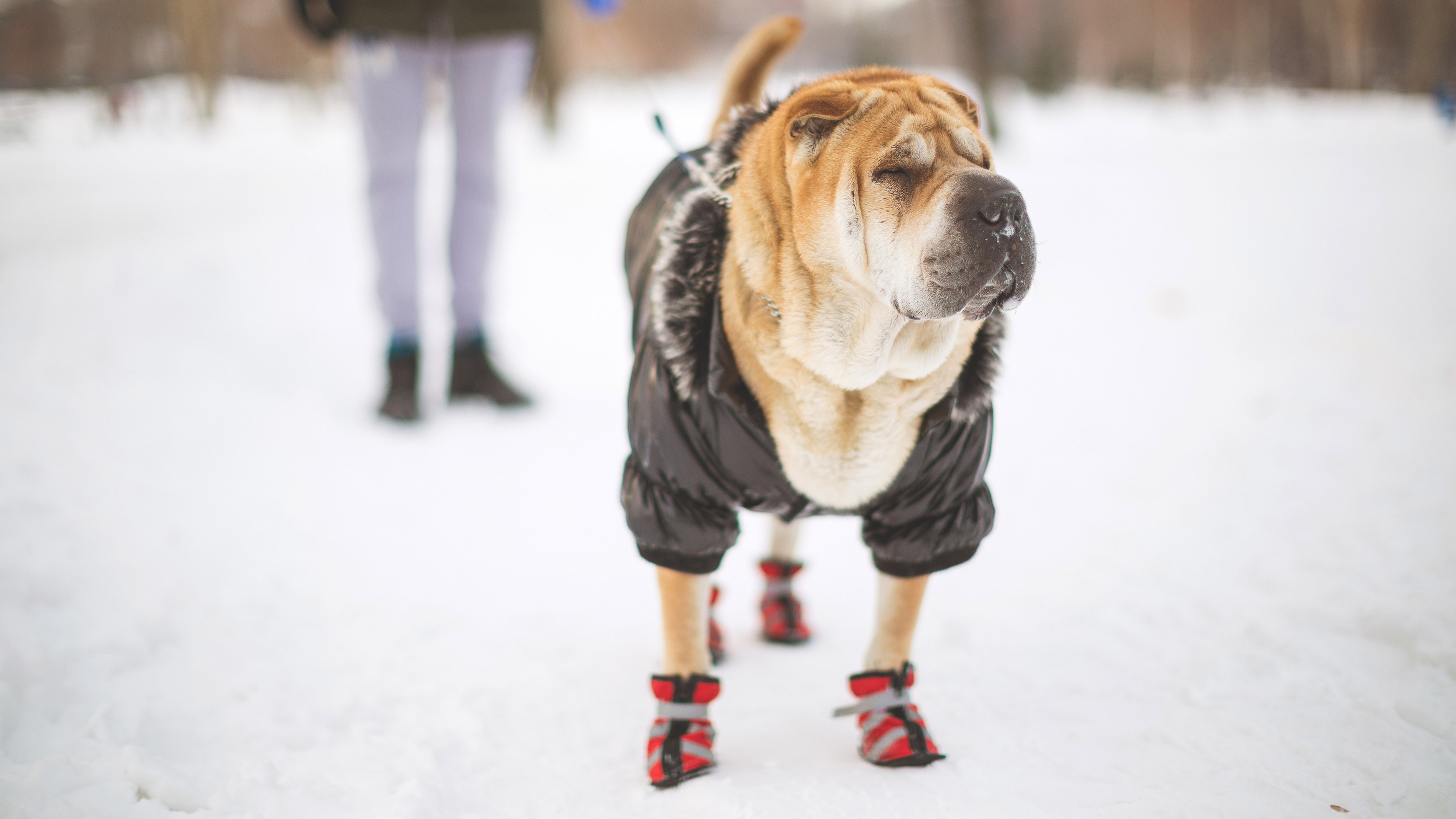
Booties are a great option to help protect your dog’s feet. Some pups might not take to booties at first, but give them time. Waxes or balms provide moderate protection for your dog’s feet, but booties offer better protection. Make sure to get booties that are:
- Comfortable for your pup — lightweight and flexible
- Breathable
- Made from a material that doesn’t get hot with the sun or hot ground
Take care of your cats
Even if your cat is mostly an indoor cat, if they go outside, you’ll want to want to make sure their paws are protected too! Try to avoid letting them out during peak heat times. If you have the time and resources, consider building them a shaded “catio” so they get outdoor time without the hot sun.
Check paws after being outside
After walking with your pet, it’s a good habit to check their paws. Look for:
- Redness or swelling
- Limping or reluctance to walk
- Licking or chewing at their paws
- Blistering, cracking, or peeling pads
If you notice any of these signs, it warrants a call to your veterinarian.
When to talk to your vet
Hot weather is a great topic to bring up at your pet’s next appointment, especially if you live in a hot climate. Your veterinarian can give you the best advice on how to keep your pet’s paws safe and how to keep your pet well hydrated. Need summer safety advice? We can help! Book an appointment with Banfield today.
Bottom line
If the ground is too hot for your bare hand, it’s too hot for your pet’s paws. With a few easy checks and thoughtful choices, you can help protect your dog’s or cat’s feet any time of year.
Important Notice: The information provided on this page is for informational purposes only and is not a substitute for professional veterinary advice. Always consult a veterinarian with any questions regarding your pet’s health or medical condition. Never disregard or delay seeking professional veterinary advice based on information from this page.




 Pet Chat™


 Appointment details


 Pittsburgh Village East
 847-816-4667


 Notes for the vet

 This is a note for users pertaining to specific appointment types, requests, requirements, or other items.