



 Veterinary care
 Ways to get care
 Visit information
 Pet wellness plans
 Virtual petcare
 Pet Chat™ information
 Locations
 MyBanfield
 Shop packages now
 Request information
 Package FAQs
 NEW! Banfield Access Plan
 Pet health articles
 Puppy care
 Kitten care
 Senior care
 Dental care
 Diet and nutrition
 Ear care
 Parasites
 Fleas
Fleas Ticks
Ticks Mites and mange
 Worms
Worms Skin and coat care
 Mobility
 First aid
 Vaccinations
 End of life care
 Podcast - Not Just Fluff
 Traveling with your pet
 Video vault
 About us
 Contact us
 Newsroom
 Our leadership
 Shop
Shop
 Locations/appointments

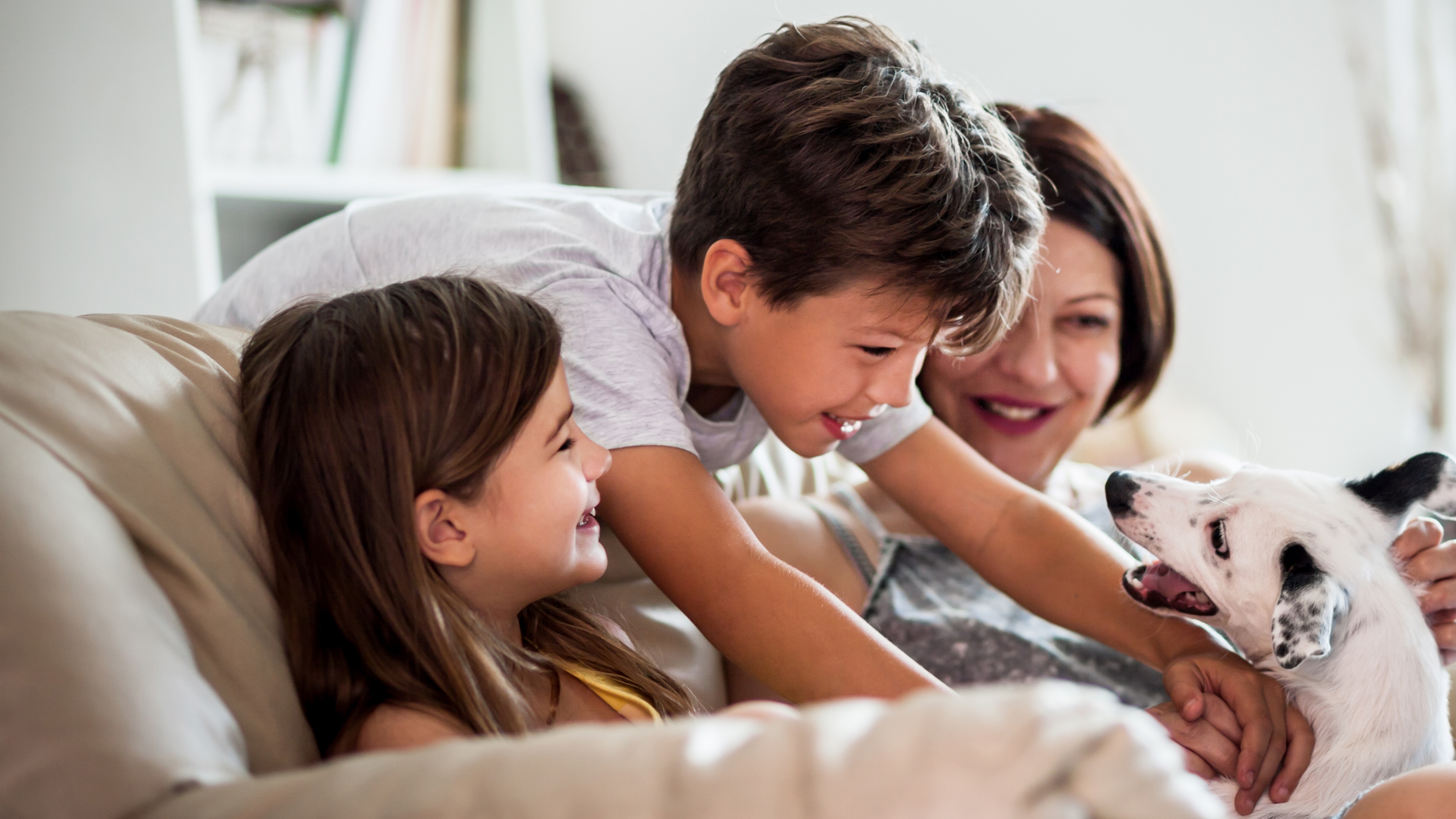


pet separation anxiety: signs and how to help
Change can be challenging for pets. Whether it’s going back to school or family vacations, not every dog or cat can handle disruptions to their routine. In this blog, we’ll go over the signs of separation anxiety and ways to support your pet.
What are the signs of separation anxiety
Here are a few clues your dog or cat is dealing with separation anxiety:
- Increased howling, barking, or whining
- Trying to escape
- Pacing
- Chewing things up
- Excessive drooling
- Indoor accidents
Which breeds are most prone to separation anxiety
The truth is, any breed can have separation anxiety. If you are worried about your pet’s behavior, we recommend making an appointment with your veterinarian to rule out medical disorders as a cause.
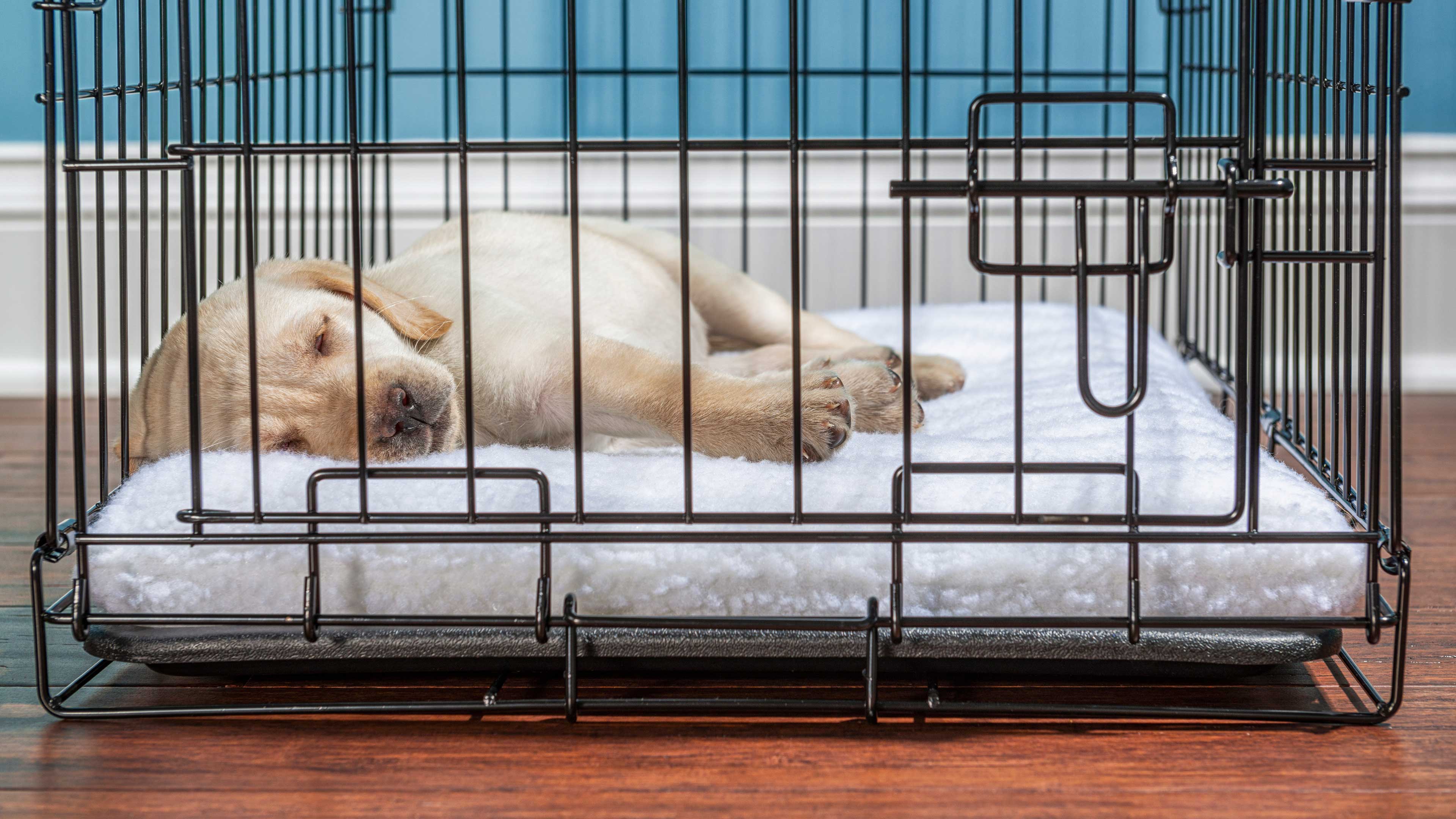
How can I calm my anxious dog?
Here are some of the ways to help keep your dog calm and collected during transition times.
Make comings and goings low-key: Try to avoid making a big fuss when you leave the house. Leave quickly and try to hide or minimize triggers like putting on shoes, grabbing your bag, or picking up your keys. Keeping a consistent routine can help your pup predict what’s going to happen next and ease their worry.
Tip: Try ignoring your pet for the first few minutes after you get home.
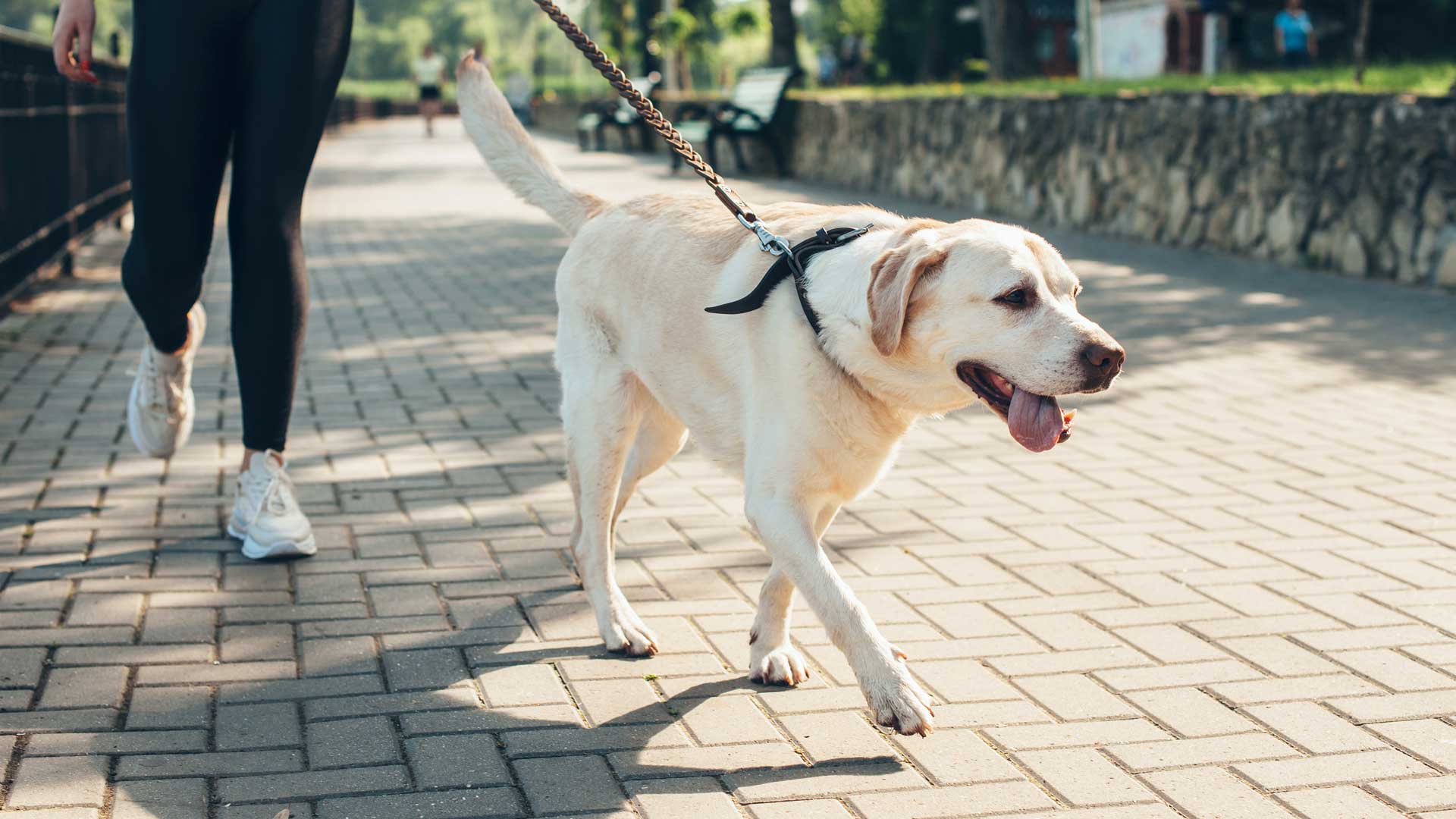
A tired pup is a relaxed pup: If you have a puppy or an energetic adult dog that’s experiencing anxiety, make sure you’re involving them in physical activity on a regular basis. Not only does exercise help tucker them out, it can also help with stress. Another tip: Enrichment activities such as feeding toys and hiding food around the house can also help with mental stimulation and making them feel comfortable in their surroundings.
Smelly clothing: No one loves the smell of you more than your pet! Owners’ scents are known to have a calming effect on their furry friends. Leave a well-worn but not irreplaceable article of clothing out for your pet, something large like a T-shirt or pants. You don’t want to leave out small articles of clothing like socks. If your dog eats a sock, it could obstruct their intestines.
Ask a friend to pop in: Another helpful tip is asking a friend or family member to check on your pet while you’re away from the house. Or, look into a dog-walking service or doggie daycare in your community. By doing this, your pet will only have to be alone for a couple of hours versus a full work or school day.
What not to do with dog separation anxiety
Avoid punishing your pet. If you come home to a disemboweled couch or inexplicable hole in the wall, fight the temptation to punish your animal. Your pet is stressed and anxious and punishing them could have an opposite effect.
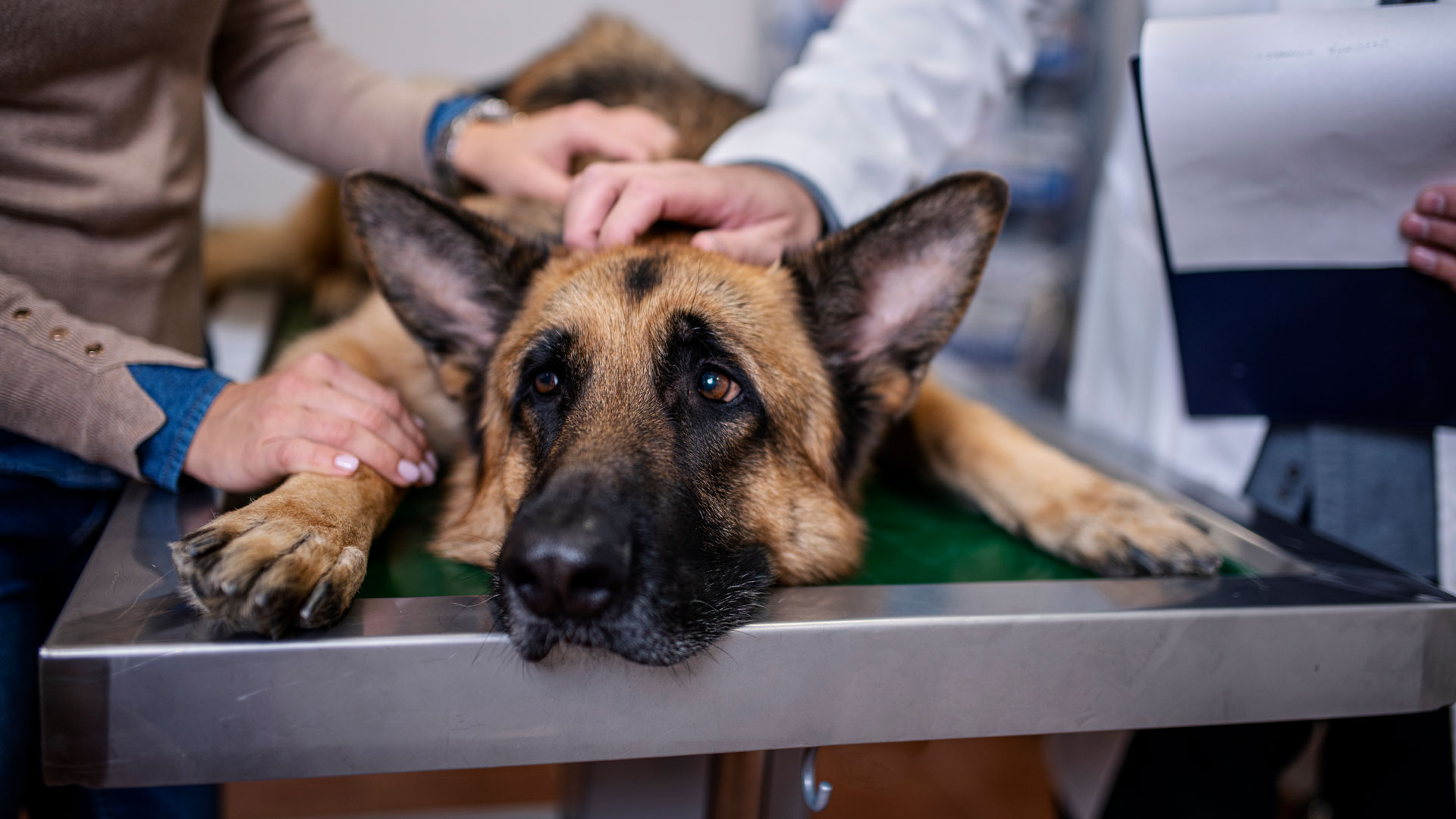
If you’ve noticed that your pet’s anxiety isn’t getting better and you’re at your wits’ end, schedule an appointment with your Banfield veterinarian to discuss your concerns. Your vet can support you and your best friend on the road to recovery.
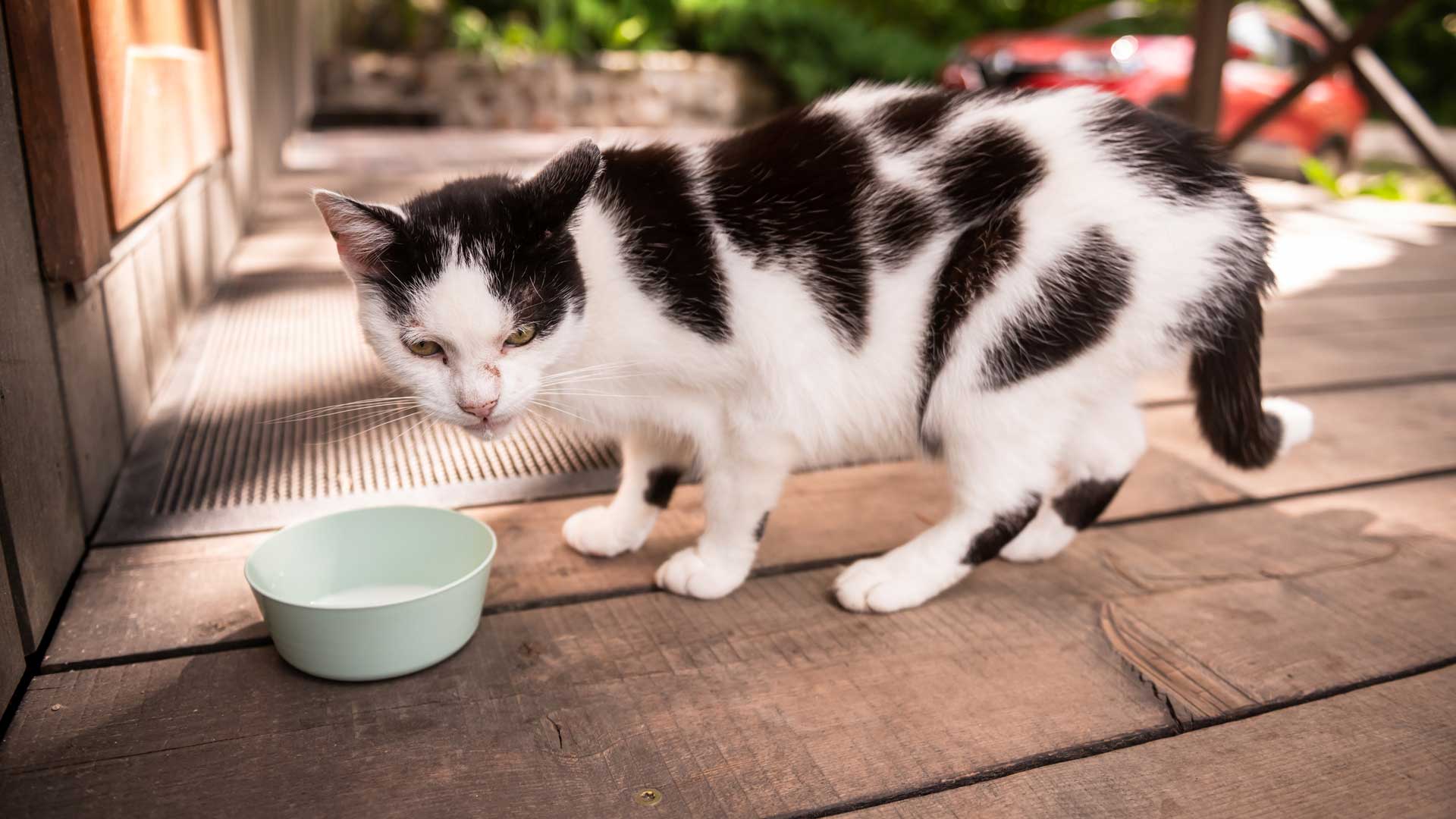
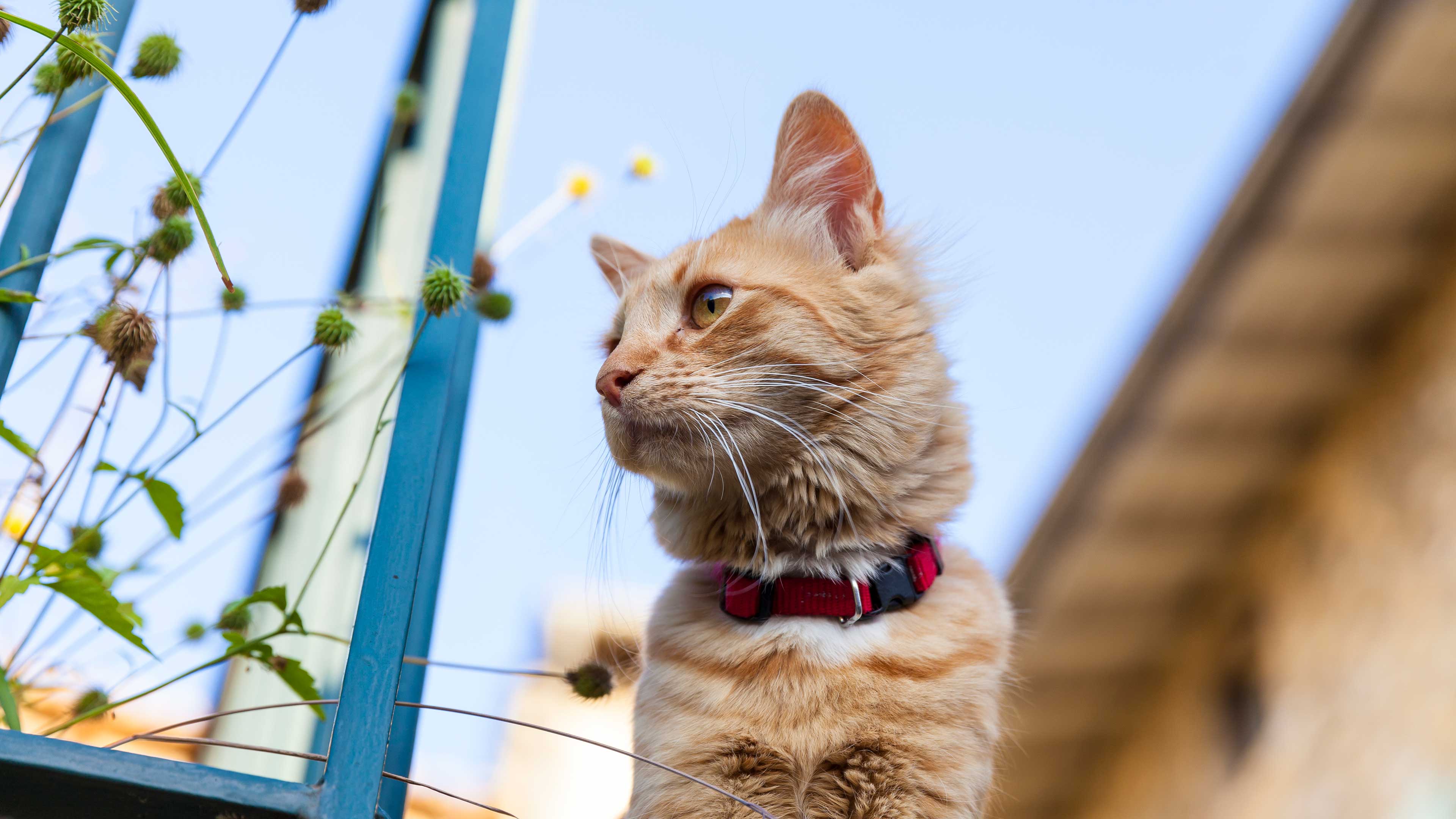
How can I calm my anxious cat?
Establish a predictable routine: Like dogs, predictability is helpful. When their daily activities are on a consistent schedule, they can feel more secure.
Don’t make a big fuss: Also similar to dogs, try to make leaving and returning to the house as low-key as possible. This may help reduce stress associated with your coming and going.
Offer environmental enrichment: Puzzle feeders, interactive toys, scratching posts and climbing spaces can help keep cats mentally engaged while they’re alone.
Use calming pheromone products: For some cats, feline pheromone diffusers or spray might help. These work by mimicking cat’s natural pheromones, which triggers an unconscious calming response. Your veterinarian can tell you if this is right for your pet.
Talk with your veterinarian if your pet’s anxiety persists
If these techniques don’t help your dog or cat get more accustomed to being away from you, talk with your veterinarian. They are there to help! They may recommend behavior modification, calming supplements, pheromone therapy, or medication as part of a treatment plan. Book your Banfield appointment today.
Important Notice: The information provided on this page is for informational purposes only and is not a substitute for professional veterinary advice. Always consult a veterinarian with any questions regarding your pet’s health or medical condition. Never disregard or delay seeking professional veterinary advice based on information from this page.


 Pet Chat™


 Appointment details


 Pittsburgh Village East
 847-816-4667


 Notes for the vet

 This is a note for users pertaining to specific appointment types, requests, requirements, or other items.