



 Veterinary care
 Ways to get care
 Visit information
 Pet wellness plans
 Virtual petcare
 Pet Chat™ information
 Locations
 MyBanfield
 Shop packages now
 Request information
 Package FAQs
 NEW! Banfield Access Plan
 Pet health articles
 Puppy care
 Kitten care
 Senior care
 Dental care
 Diet and nutrition
 Ear care
 Parasites
 Fleas
Fleas Ticks
Ticks Mites and mange
 Worms
Worms Skin and coat care
 Mobility
 First aid
 Vaccinations
 End of life care
 Podcast - Not Just Fluff
 Traveling with your pet
 Video vault
 About us
 Contact us
 Newsroom
 Our leadership
 Shop
Shop
 Locations/appointments

 Print
Print
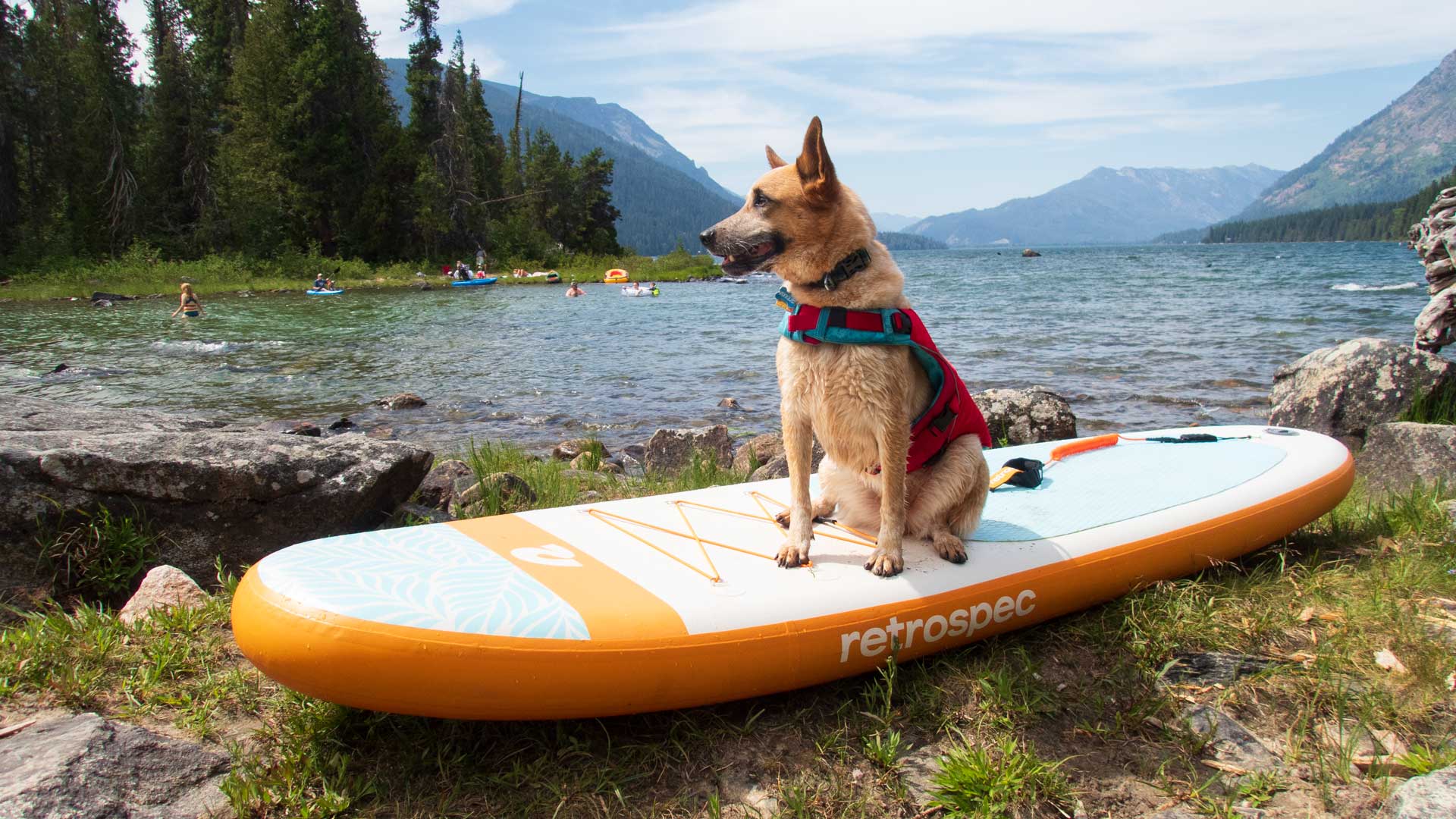
how to keep your dog safe at the beach, pool, or lake
Drinking from a communal water bowl can cause your dog to contract a virus or parasites; playing in the ocean can cause potential drowning; and swimming in a lake with blue-green algae can cause paralysis or even death. In other words:
When it comes to your dogs and water, the more info you’re armed with the better.
Common water hazards for dogs
From puddles to the ocean, all water is potentially unsafe for your dog.Shared water bowls
It’s not uncommon to find communal water bowls out in public. While this is a nice idea at first, shared bowls can spread bacteria, viruses, and kennel cough as well as parasites like giardia and leptospirosis.Pools and backyard water features
Not only do pools and backyard water features like ponds or fountains create a potential drowning risk, they can also help spread bacteria, parasites, and toxins.Leptospirosis is a bacteria found in the urine of wildlife and can easily contaminate a pond or water bowl in your backyard.
Also, drinking large amounts of chlorinated pool water can cause your dog to experience vomiting and diarrhea.
Lakes, rivers, and ponds
Most dogs enjoy a good lake, pond, or stream, but these are also a perfect location for bacteria, parasites, or algae to thrive. Even if the water appears clean, it could still be unsafe to swim in or ingest. (More on blue-green algae below.)Ocean water
The biggest risks for dogs swimming in the ocean are saltwater toxicity from drinking seawater and drowning due to strong currents. Seawater is filled with salt and bacteria that can cause dehydration and gastrointestinal issues. High levels of sodium left untreated can cause kidney damage, seizures, and even death.Stagnant or standing water
Stagnant water found in puddles and ponds, or slow-moving water in streams or run-off areas, often has a higher likelihood of developing or accumulating contaminants or toxins.Ways to keep your dog safe
The good news is that there are ways to keep your dog safe when it comes to water.Water safety tips
- Bring a portable water bowl and fresh water with you.
- If you see your dog about to drink from a communal bowl, standing water, or ocean water, prevent them from doing so.
- Put your dog in a properly fitted life jacket if they plan on swimming in water that is turbulent or deep (your vet can help you with recommendations).
- Before you head to a lake, river, or pond, research if there are any local advisories on water safety and blue-green algae.
- Avoid water that looks or smells unusual.
- Always keep an eye on your dog in water, and make sure there is an easy entrance and exit for them.
- Rinse your dog off after swimming — this can help remove some chemicals or toxins they have come in contact with.
- Watch for heatstroke or fatigue — a long day playing in the sun could expose your pup to heatstroke or fatigue, which could make them more susceptible to drowning.
Are algae dangerous for dogs?
The answer is sometimes. While some algae can be harmless, other algae can be toxic and even fatal for your dog, specifically blue-green algae.What is blue-green algae?
Blue-green algae is actually not an alga at all, but rather a microscopic bacterium (cyanobacteria) that is found in standing or slow-moving sources of water such as lakes, ponds, and rivers.A mass of algae is called a bloom, and it’s during a bloom that an animal (or even human) is potentially exposed to toxins by drinking or swimming in the water.
Why toxic algae are dangerous
Blue-green algae produces a toxin that can cause shock, liver failure, heart attack, or even death in dogs. It is also dangerous to humans and can cause similar issues, but most commonly causes nonlethal symptoms such as skin irritation and gastrointestinal illness for humans.
Signs that your dog has been exposed to blue-green algae include:
- Vomiting or diarrhea
- Paralysis, seizure, or collapse
- Muscle rigidity or tremors
- Sudden death
Symptoms can appear immediately or within a few hours. Contact with blue-green algae is a medical emergency.
What toxic algae looks like
Blue-green algae has been described as looking like “pea soup,” “spilled paint,” or a “puffy foam.” It has also been described as “scummy” or “sludgy.” It can appear green, blue, brown, or even red, and often smells like rotting plants.
What to do if your pet is exposed to blue-green algae
If you suspect your dog has encountered blue-green algae, remove them from the water, rinse them off, prevent them from licking their fur or paws, and take them to the closest emergency vet immediately.
When to take your dog to the vet
Blue-green algae is considered a medical emergency and your dog will need prompt care if you suspect they’ve been in contact with it. Because fatality can happen quickly with exposure, prompt care is of the utmost importance.
There is no antidote for blue-green algae, but prompt care may help with management of symptoms through IV fluids, oxygen, anti-seizure medicine, liver supplements, and antibiotics. However, if liver damage has already taken place, it could cause long-term liver disease.
Important Notice: The information provided on this page is for informational purposes only and is not a substitute for professional veterinary advice. Always consult a veterinarian with any questions regarding your pet’s health or medical condition. Never disregard or delay seeking professional veterinary advice based on information from this page.





 Pet Chat™


 Appointment details


 Pittsburgh Village East
 847-816-4667


 Notes for the vet

 This is a note for users pertaining to specific appointment types, requests, requirements, or other items.