



 Veterinary care
 Ways to get care
 Visit information
 Pet wellness plans
 Virtual petcare
 Pet Chat™ information
 Locations
 MyBanfield
 Shop packages now
 Request information
 Package FAQs
 NEW! Banfield Access Plan
 Pet health articles
 Puppy care
 Kitten care
 Senior care
 Dental care
 Diet and nutrition
 Ear care
 Parasites
 Fleas
Fleas Ticks
Ticks Mites and mange
 Worms
Worms Skin and coat care
 Mobility
 First aid
 Vaccinations
 End of life care
 Podcast - Not Just Fluff
 Traveling with your pet
 Video vault
 About us
 Contact us
 Newsroom
 Our leadership
 Shop
Shop
 Locations/appointments

 Print
Print
is it too cold to walk your dog?
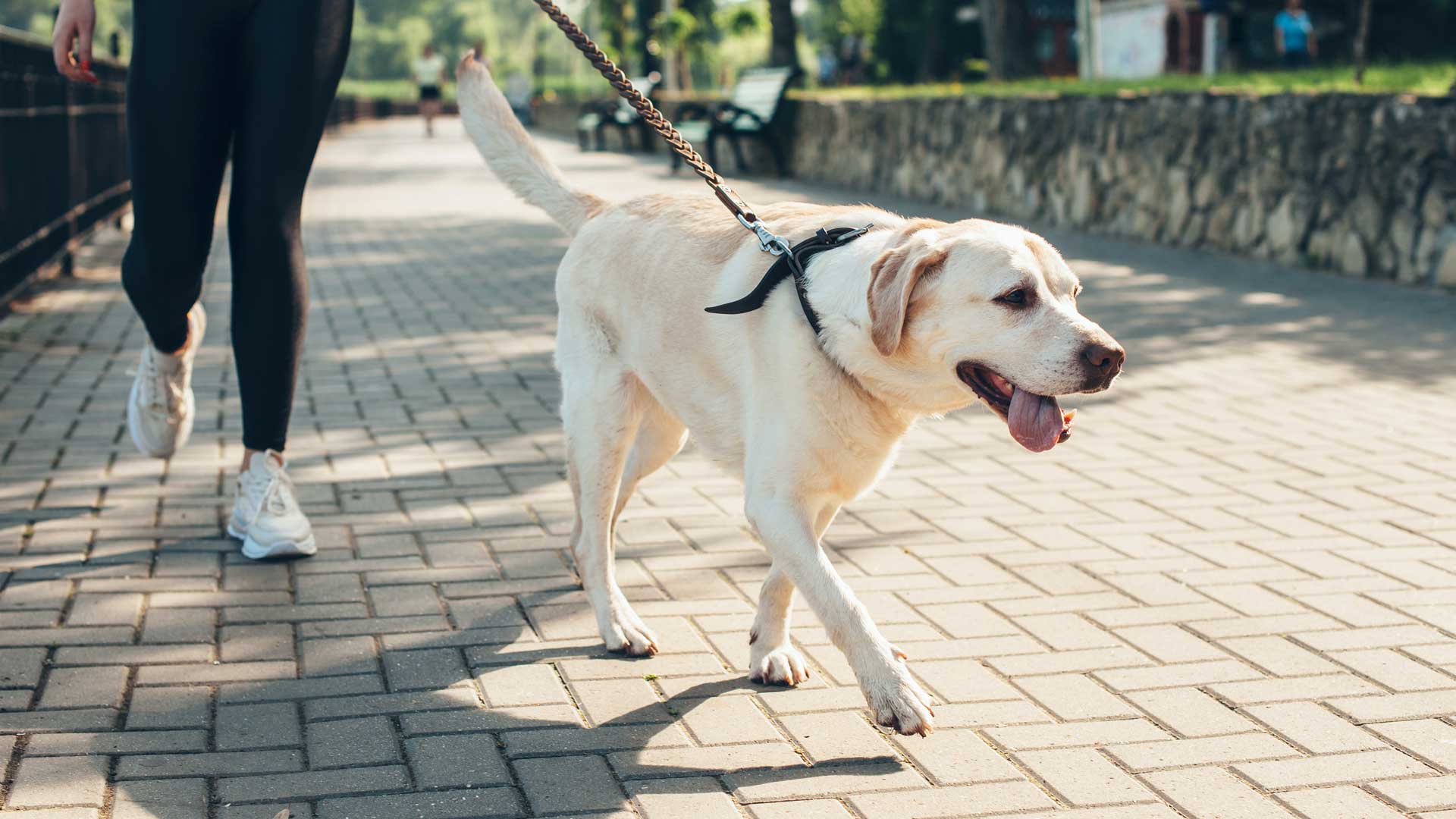
Let’s face it, cold weather is deeply uncomfortable. But that doesn’t mean that you and your pup should stay indoors all winter long. Walking your dog during the cold months is still an important part of their well-being. However, there are some temperatures that are just too cold for your dog to walk in.
Let’s dig into how to safely walk your dog during the winter.
Winter walks are important
Walking your dog is more than just exercise. Walking can help support joint mobility, prevent boredom, possibly reduce anxiety, and help create a routine. Disrupting your dog’s walking routine can lead to behavioral issues. Also, fewer walks mean more potential for weight gain. However, winter walks should look different than summer strolls. Shorter durations and the right gear are essential.What temperature is too cold for dogs?
There is no single temperature that is “too cold” for a dog. It all depends on breed, size, age, coat type, body fat, and overall health.
Here’s a general guideline:
- Above 45°F (7°C): Safe for most dogs.
- Between 32°–45°F (0°–7°C): Smaller, short-haired, seniors, and puppies may feel uncomfortable.
- Below 32°F (0°C): Increased risk of cold stress, especially for vulnerable dogs.
- Below 20°F (-6°C): Dangerous for most dogs.
Dogs bred for cold climates, such as huskies or Malamutes, can tolerate low temperatures better than short-haired breeds like greyhounds or Chihuahuas. But even cold-weather breeds are not immune to frostbite or hypothermia during long exposure.
Signs your dog is too cold
Because dogs can’t tell us what’s wrong, it’s sometimes hard to know what’s up.
Watch closely for these signs that your dog is too cold:
- Shivering or trembling
- Lifting paws off the ground
- Slowing down or refusing to walk
- Tucked tail or hunched posture
- Whining or seeking shelter
If your pup is showing any of these signs, it’s time to head home ASAP.
How to walk your dog safely in cold weather
Cold-weather walks can still be safe and fun with the right precautions.
- Shorten the walk: Several short walks are safer than one long walk in freezing temps.
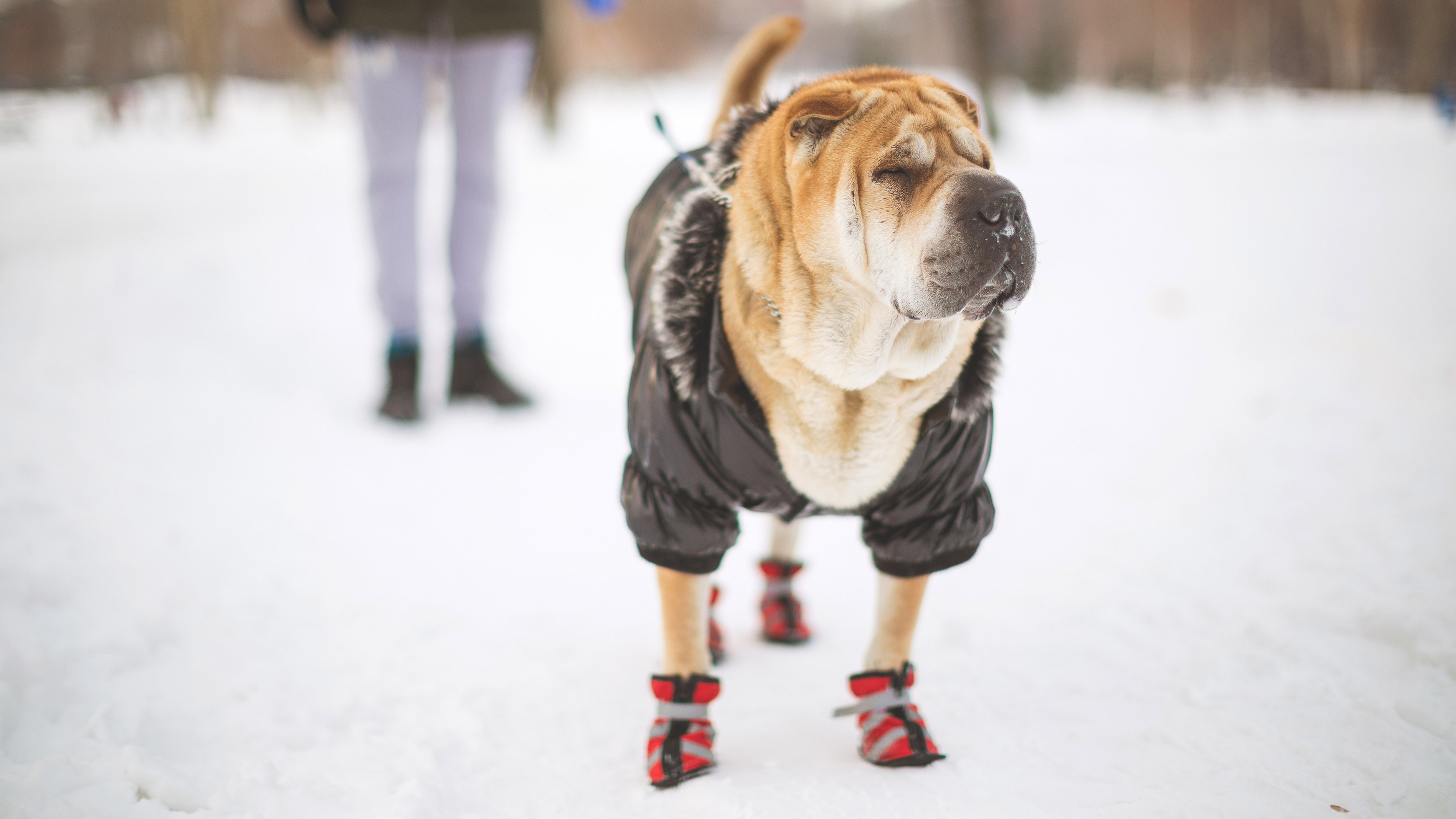
- Dress for the weather: Insulated dog coats can help retain body heat, especially for short-haired or small dogs. Booties can help protect paws from ice, snow, and chemical deicers.
- Protect the paws: Salt and ice-melting products can cause cracking and irritation. Rinse and dry your dog’s paws after every walk and consider using a paw balm.
- Choose the right time: Walk during the warmest part of the day, typically late morning or early afternoon. Try to avoid walking in the early morning, when the temperature is often at its lowest, or in the evening, when it drops quickly.
- Stay visible: Winter days are shorter. Make sure you and your pup wear reflective gear or put a light on your pup’s collar.
When it’s too cold to walk
On days when it’s too cold outside, walks aren’t a great idea. Skipping a walk once in a while is far safer than risking your dog getting hurt.
Here are some indoor alternatives to help keep your dog active:
- Puzzle toys and food-dispensing games
- Indoor fetch games
- Nose-work activities using treats (low-calorie treats are a good option if your pet is unable to exercise)
Mental stimulation is just as important as physical stimulation.
Puppies, seniors, and medical conditions
Puppies and senior dogs are typically too vulnerable or sensitive to handle cold temperatures. Puppies haven’t yet developed temperature regulation, and senior pets might struggle with arthritis that worsens in the cold.
Dogs with medical conditions, low body fat, or compromised immune systems should also have limited time in the cold. When in doubt, ask your veterinarian for their recommendation on how to safely take your dog outside.
Important Notice: The information provided on this page is for informational purposes only and is not a substitute for professional veterinary advice. Always consult a veterinarian with any questions regarding your pet's health or medical condition. Never disregard or delay seeking professional veterinary advice based on information from this page.




 Pet Chat™


 Appointment details


 Pittsburgh Village East
 847-816-4667


 Notes for the vet

 This is a note for users pertaining to specific appointment types, requests, requirements, or other items.