



 Veterinary care
 Ways to get care
 Visit information
 Pet wellness plans
 Virtual petcare
 Pet Chat™ information
 Locations
 MyBanfield
 Shop packages now
 Request information
 Package FAQs
 NEW! Banfield Access Plan
 Pet health articles
 Puppy care
 Kitten care
 Senior care
 Dental care
 Diet and nutrition
 Ear care
 Parasites
 Fleas
Fleas Ticks
Ticks Mites and mange
 Worms
Worms Skin and coat care
 Mobility
 First aid
 Vaccinations
 End of life care
 Podcast - Not Just Fluff
 Traveling with your pet
 Video vault
 About us
 Contact us
 Newsroom
 Our leadership
 Shop
Shop
 Locations/appointments

 Print
Print
why cats need regular vet appointments
In the latest episode of Not Just Fluff, host Hannah Shaw and guest Dr. Michael Kearley tackle a common question from cat caregivers: Does an indoor cat really need to go to the vet every year?
Spoiler alert: the answer is yes.
Why indoor cats still need regular vet visits
Cats are brought to the vet far less often than dogs, and many people assume that if a cat seems fine and never goes outside, there’s no real need for checkups. The truth is, cats need regular veterinary care too!
Cats are “still susceptible to congenital or genetic diseases, hormonal problems, and cancer,” says Dr. Kearley. Many of these conditions develop silently, and annual exams can help catch them early.
Why cats don’t go to the vet as often as dogs
Why do cats go to the vet less often than dogs? Dr. Kearley explains that it comes down to three big factors: logistics, perception, and subtlety.
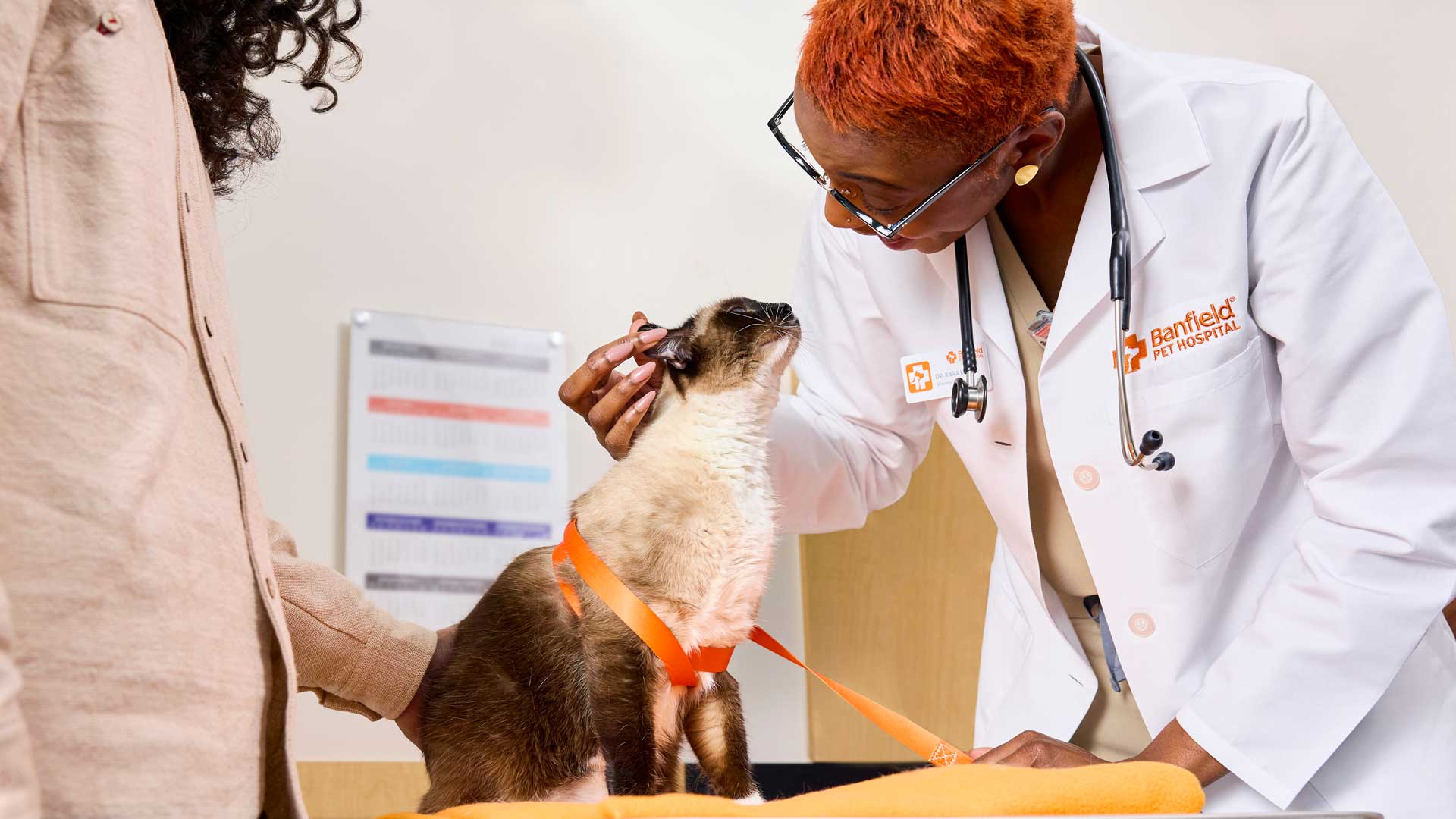
First, getting a cat to the clinic can be stressful. “You get the carrier out, try to find the cat, put the cat in, and then hear them meowing the entire way,” he says. For busy households, that stress can become a barrier.
Second, many people choose cats because they seem low maintenance. Some owners believe cats are more “self-sufficient” and require less care than dogs, so they underestimate their medical needs.
Third, cats are naturally stoic. Dr. Kearley notes, “For the average pet owner, it’s difficult to detect an illness until it’s too late and the disease has really manifested.” That makes routine checkups even more important.
Making vet visits less stressful for cats
Here are several practical tools to help you bring your cat into the vet:
- Pre-visit medications such as anti-anxiety or anti-nausea meds
- Favorite treats and toys to create positive associations
- Planning ahead, so there’s time to calmly get the cat into the carrier
- Desensitizing the carrier by leaving it out all the time as a safe space, not just for vet days
- Using calming pheromones, like sprays or wipes, inside the carrier
As a Fear-Free Certified and Cat-Friendly veterinarian, Dr. Kearley says his goal is to change the narrative from “get it done at all costs” to a visit that prioritizes emotional well-being: “We’re taking a step back and evaluating the cat as a whole — using gentler restraint, treats, and whatever makes the cat feel safer.”
Indoor cats and invisible risks
The belief that an indoor-only cat is protected from diseases is a major misconception.
Indoor cats are still vulnerable to illnesses that have nothing to do with roaming outdoors. Plus, disease can be carried into the home. Dr. Kearley points out, “We leave our houses. We’re bringing in parasites, fleas, ticks on our clothing and shoes, and that puts our feline friends at risk.”
Fomites — inanimate objects that carry infectious particles — are another way for cats to contract disease. Dr. Kearley explains that when people walk through parks or yards where animals have eliminated, they can pick up pathogens on shoes or clothing.
Back at home, a curious cat sniffs or rubs against those shoes, and exposure happens without any direct contact with another animal.
Subtle signs something is wrong
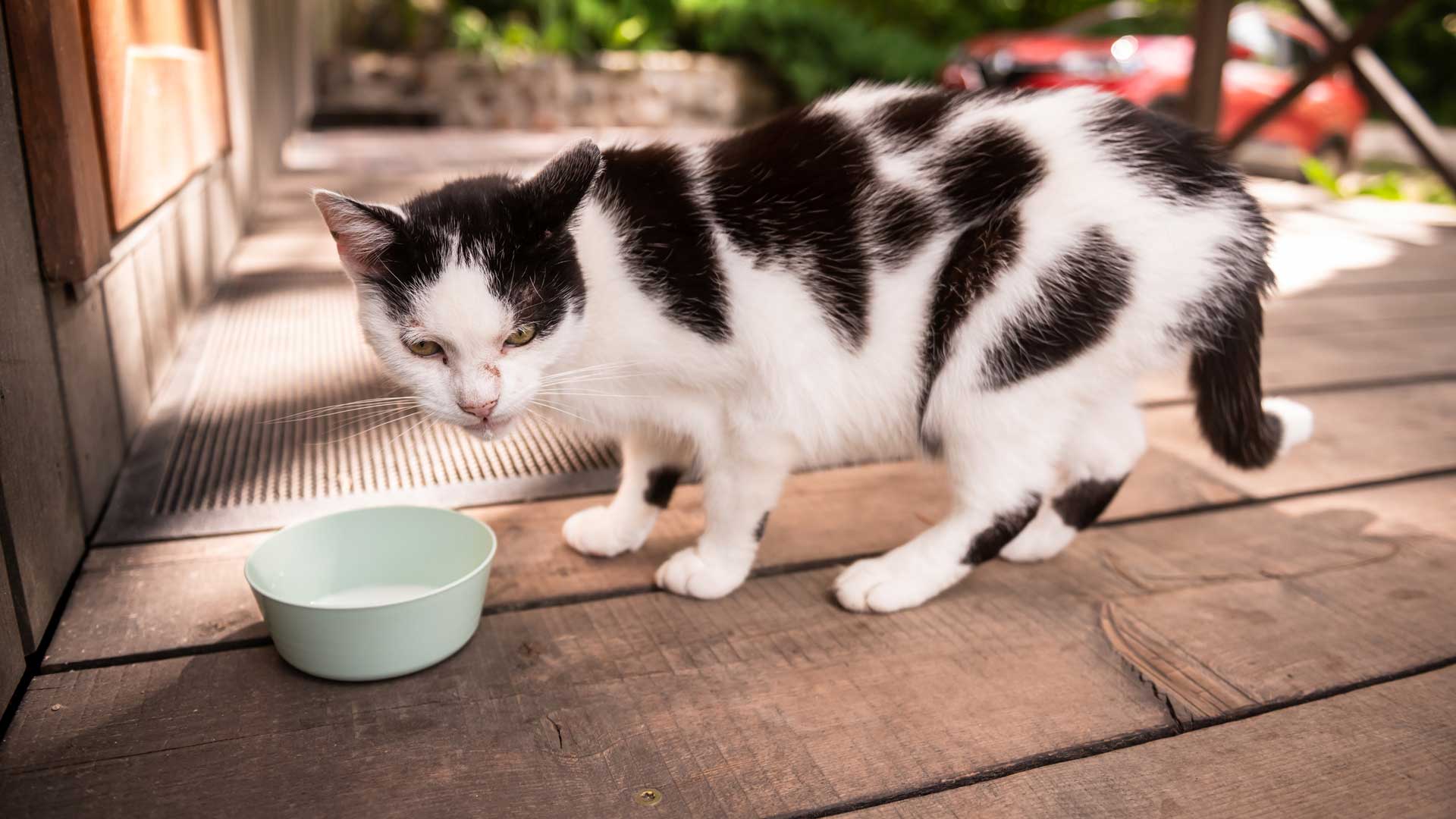
Cats rarely wave red flags when they feel unwell, so cat owners often don’t recognize illness until symptoms are severe.
Here are some clues to keep an eye out for:
- A normally social cat becoming more reclusive
- A quiet cat suddenly becoming more vocal, especially at night
- Changes in appetite
- Signs of dental pain, such as dropping food or chewing only on one side
Dr. Kearley states, “Dental disease is significant in cats. Sometimes they just change how they eat because it hurts.” Measuring food, watching eating patterns, and noting changes over time can reveal problems long before a cat stops eating entirely.
Litter box behavior: More than “bad” behavior
If an owner interprets their cat’s behavior as “mad” or is “acting out” against their litter box, there’s a chance that a medical issue is involved.
Dr. Kearley explains, “Even if it is behavioral, we want to rule out the medical issue first. Cats can’t talk to us, so we’re playing a game to figure out what’s really going on.”
Below is Dr. Kearley’s practical litter box advice:
- Scoop daily and fully change and clean at least weekly
- Provide enough boxes — “The rule of thumb is N+1: one box per cat, plus one”
- Avoid heavily perfumed litters and strong deodorizers
- Consider box design and height, especially for older cats with arthritis
- Be aware that some cats are afraid of noisy automatic litter boxes
If a previously reliable cat starts avoiding the box, he said, a vet visit should be the first step to figuring out why.
Monitoring cats at home
Tracking your cat’s weight at home is a good way to keep an eye on their health.
Dr. Kearley recommends:
- Daily interaction — petting, gentle joint checks, and looking at teeth and ears
- Watching food and water intake, with help from automatic feeders or fountains when possible
- Observing litter box habits and noticing changes in frequency or volume
- Adjusting the environment as cats age, such as adding ramps or blocking risky stairs
Small behavioral shifts over time often paint the picture of an emerging problem.
How often should cats see the vet?
So how many times a year should a cat visit the vet? Dr. Kearley says, ideally, twice a year. He acknowledges that many people assume an annual visit is enough, but a six-month interval allows vets to catch changes earlier — especially in seniors.
During one standard nose-to-tail exam, Dr. Kearley palpated a firm, tennis-ball-sized mass in a cat’s abdomen that hadn’t shown obvious outward signs. Blood work and imaging later confirmed cancer, but because it was found early, the cat was able to receive care and enjoy more time with its family.
“We can’t undervalue the importance of a physical exam,” he says.
“When in doubt, seek it out”
“Cats are masters at hiding pain and illness,” Dr. Kearley explains. “Err on the side of caution. When in doubt, seek it out.”
Regular wellness visits, close observation at home, and a strong partnership with the veterinary team give cats their best chance at a long, healthy, comfortable life — whether they ever set a paw outdoors or not.
Listen to us on Spotify, Amazon Music, and Apple Podcasts.
Or catch full video episodes on YouTube and Banfield.com.





 Pet Chat™


 Appointment details


 Pittsburgh Village East
 847-816-4667


 Notes for the vet

 This is a note for users pertaining to specific appointment types, requests, requirements, or other items.