



 Veterinary care
 Ways to get care
 Visit information
 Pet wellness plans
 Virtual petcare
 Pet Chat™ information
 Locations
 MyBanfield
 Shop packages now
 Request information
 Package FAQs
 NEW! Banfield Access Plan
 Pet health articles
 Puppy care
 Kitten care
 Senior care
 Dental care
 Diet and nutrition
 Ear care
 Parasites
 Fleas
Fleas Ticks
Ticks Mites and mange
 Worms
Worms Skin and coat care
 Mobility
 First aid
 Vaccinations
 End of life care
 Podcast - Not Just Fluff
 Traveling with your pet
 Video vault
 About us
 Contact us
 Newsroom
 Our leadership
 Shop
Shop
 Locations/appointments

 Print
Print
where should dogs stay in the home?
Our pups are an important part of the household, and most of them have free rein of the house. However, just because they have free rein doesn’t mean they should. It’s also important that they have a safe and comfortable space that meets their mental, physical, and behavioral needs.
Below we share some tips for helping your dog feel safe at home.
Creating a dedicated area
Dogs do well when they have a predictable space to unwind. A dedicated area, such as a corner of a bedroom, living room, or hallway, can provide dogs with a retreat when they need downtime.
Dogs who live in boisterous households may benefit from a designated calm zone. An orthopedic bed positioned away from heavy foot traffic and loud noises, such as vacuums or washing machines, can help your dog feel secure.
A resting area should be accessible whenever the dog chooses, not just at night or during quiet time.
Crates can help
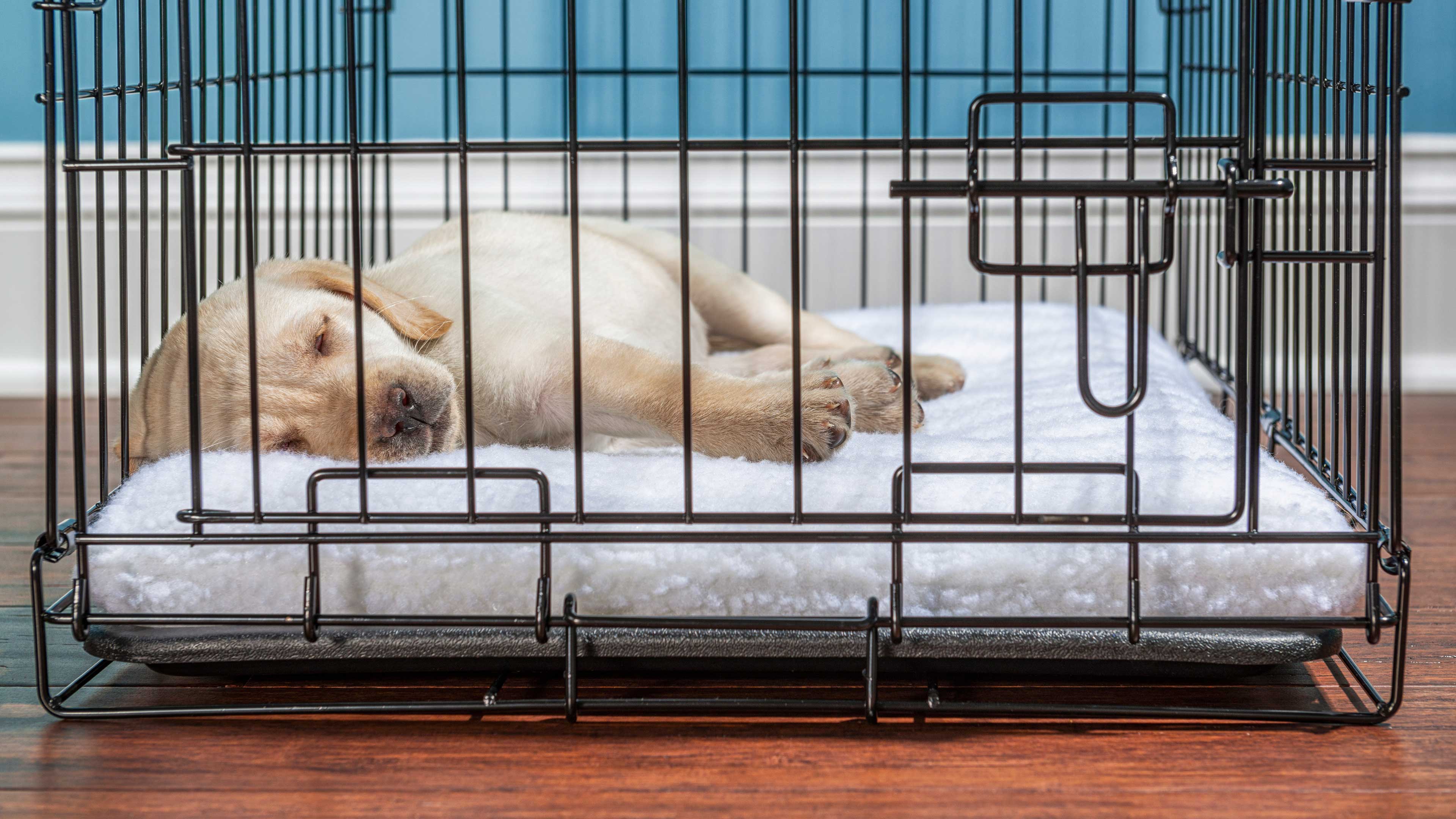
Crates aren’t just confinement zones. They can also serve as a safe resting space. Some dogs enjoy den-like environments and an appropriately sized crate can help them feel safe.
Making it a cozy place with blankets, toys, and treats also helps. If you need help finding the right crate for your pet (make sure it’s big enough for your pet to stand up comfortably), your Banfield veterinary team can help.
Crates may offer structure and comfort for dogs with anxiety, those prone to destructiveness, or those easily overstimulated. Puppies can especially benefit from crates to help with house-training and to establish safe sleep routines.
You should always spend time familiarizing your dog with their crate while at home before leaving them alone or unsupervised in a crate.
Crate placement recommendations:
- Near family activity — not isolated in a garage or basement
- Positioned where dogs feel included but not overwhelmed
- Away from drafts, direct sunlight, or heat sources
When not being used for restraint, make sure to leave your pup’s crate open so they can come and go as they please.
Living rooms and time with the family
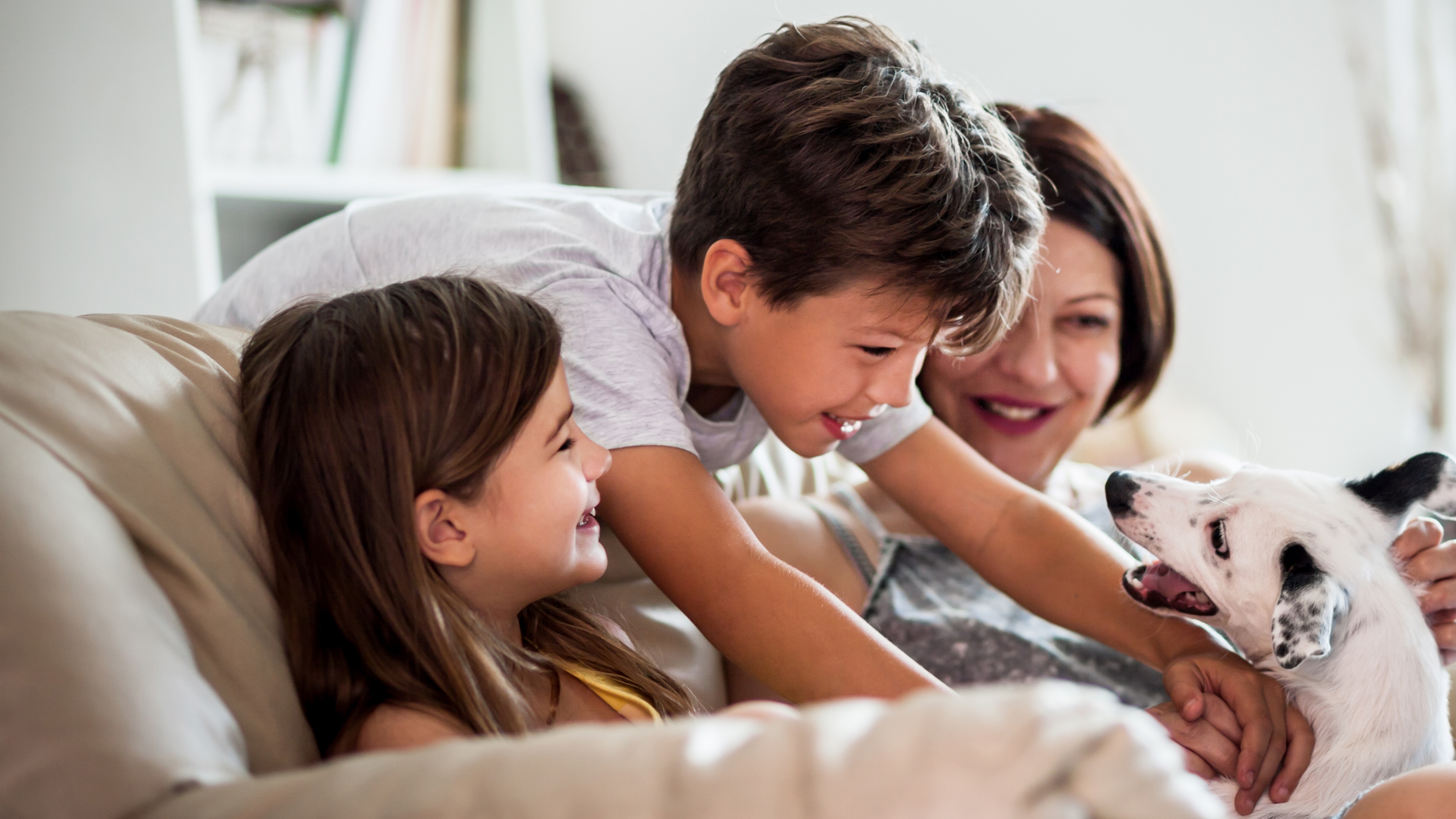
Dogs are social animals and many thrive when included in daily routines. Living rooms, dens, and family spaces are great spots for relaxation and feeling part of the household.
Dogs are usually most stable when expectations are clear, so consistent rules are important when allowing your dog access to shared family spaces. For example, if furniture access is permitted, it should always be permitted; if not, provide comfortable floor-level alternatives.
Kitchens are OK but pose risks
Kitchens can be a fun hangout spot for dogs, thanks to familiar smells and frequent activity. However, they can also be risky — hot surfaces, dropped foods, and cleaning chemicals can be hazardous if your furball gets hold of them.
If the kitchen is a preferred gathering space, consider using boundaries — baby gates, placemats for water bowls, or designated resting spots are great ways to keep your pet safe. Make sure to keep your dog away from countertops and trash cans, and don’t forget to stash cleaning supplies in secure cabinets.
Bedroom coziness
Many dogs enjoy sleeping close to their humans, and bedrooms are a popular place for pups to sleep. Some households allow dogs on the bed, while others prefer a nearby dog bed or crate. Either option can work for dogs.
As for humans, it’s important to note that allowing a dog into your bed can mean potential exposure to fleas, ticks, intestinal parasites, mites, and pet dander. Also, pets can toss and turn just like humans, so having a pet in your bed might mean you don’t get a great night’s sleep.
Spaces for your dog to avoid
Dogs typically can enjoy most areas of the house, but there are a few places to avoid:
- Garages: Temperature fluctuations, fumes, and isolation
- Basements: Low light, dampness, and inaccessible social interaction
- Laundry rooms: Loud noises and cramped spacing
- Bathrooms: Slippery floors and limited visibility
These areas may work temporarily during cleaning or emergencies, but they’re not recommended for full-time living.
Setting up a safe environment
Dogs should stay in safe, accessible, and supportive spaces. Bedrooms, living spaces, and crates can all provide comfort and structure. Avoid areas that make a dog feel isolated or can pose a risk to their safety. By offering predictability, you can create a home environment that helps meet your dog’s needs.


 Pet Chat™


 Appointment details


 Pittsburgh Village East
 847-816-4667


 Notes for the vet

 This is a note for users pertaining to specific appointment types, requests, requirements, or other items.