



 Veterinary care
 Ways to get care
 Visit information
 Pet wellness plans
 Virtual petcare
 Pet Chat™ information
 Locations
 MyBanfield
 Shop packages now
 Request information
 Package FAQs
 NEW! Banfield Access Plan
 Pet health articles
 Puppy care
 Kitten care
 Senior care
 Dental care
 Diet and nutrition
 Ear care
 Parasites
 Fleas
Fleas Ticks
Ticks Mites and mange
 Worms
Worms Skin and coat care
 Mobility
 First aid
 Vaccinations
 End of life care
 Podcast - Not Just Fluff
 Traveling with your pet
 Video vault
 About us
 Contact us
 Newsroom
 Our leadership
 Shop
Shop
 Locations/appointments




how to move with pets: tips for a stress-free relocation
Need more space? Less space? Wishing you had a basement, porch, better view, or quieter street?
Maybe you’re just ready for a move. But is your pet?
Many dogs or cats adapt quickly to a new home, especially if you’re with them during the transition and you follow some basic tips. But some pets may exhibit signs of stress. In this blog, we’ll go over how to keep your pet as comfortable as possible during this big change.
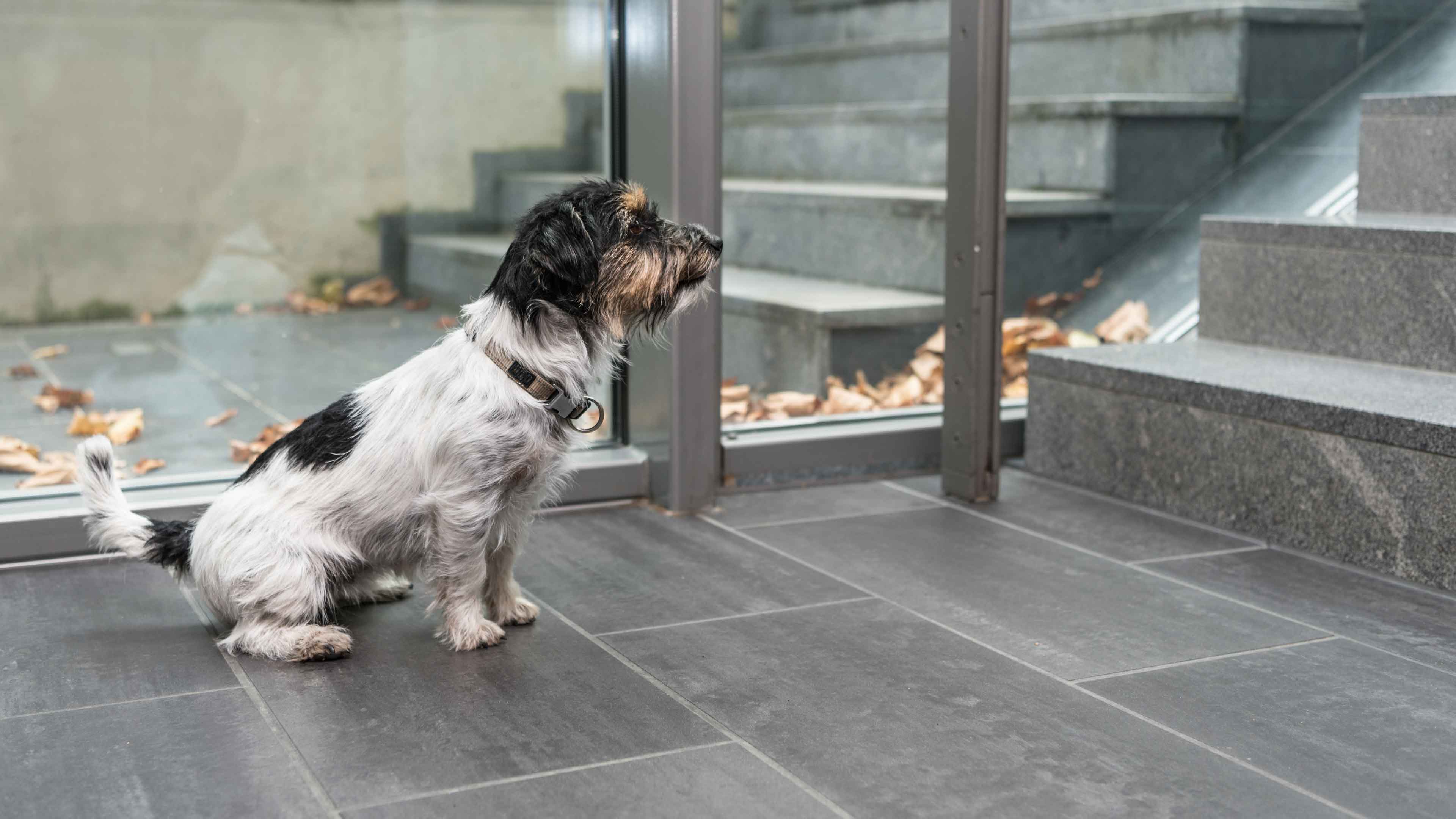
Will my dog get upset when I move?
Most dogs prefer stability, so moving can be unsettling for some furry friends. The chaos of packing, unpacking, loud noises, and disrupted routine may trigger anxiety. If you’re having trouble determining if your dog is upset by moving, here are some signs you can look for.
Signs of moving anxiety in dogs
- Changes in appetite or eating less food
- Hiding or withdrawing from family
- Restlessness
- Excessive whining or barking
- Clinginess
- Peeing or pooping accidents in the house
- Destructive behavior, such as chewing, scratching, or digging
- Changes in body language, such as tucked tail or flattened ears
- Lethargic or appearing less interested in daily activities
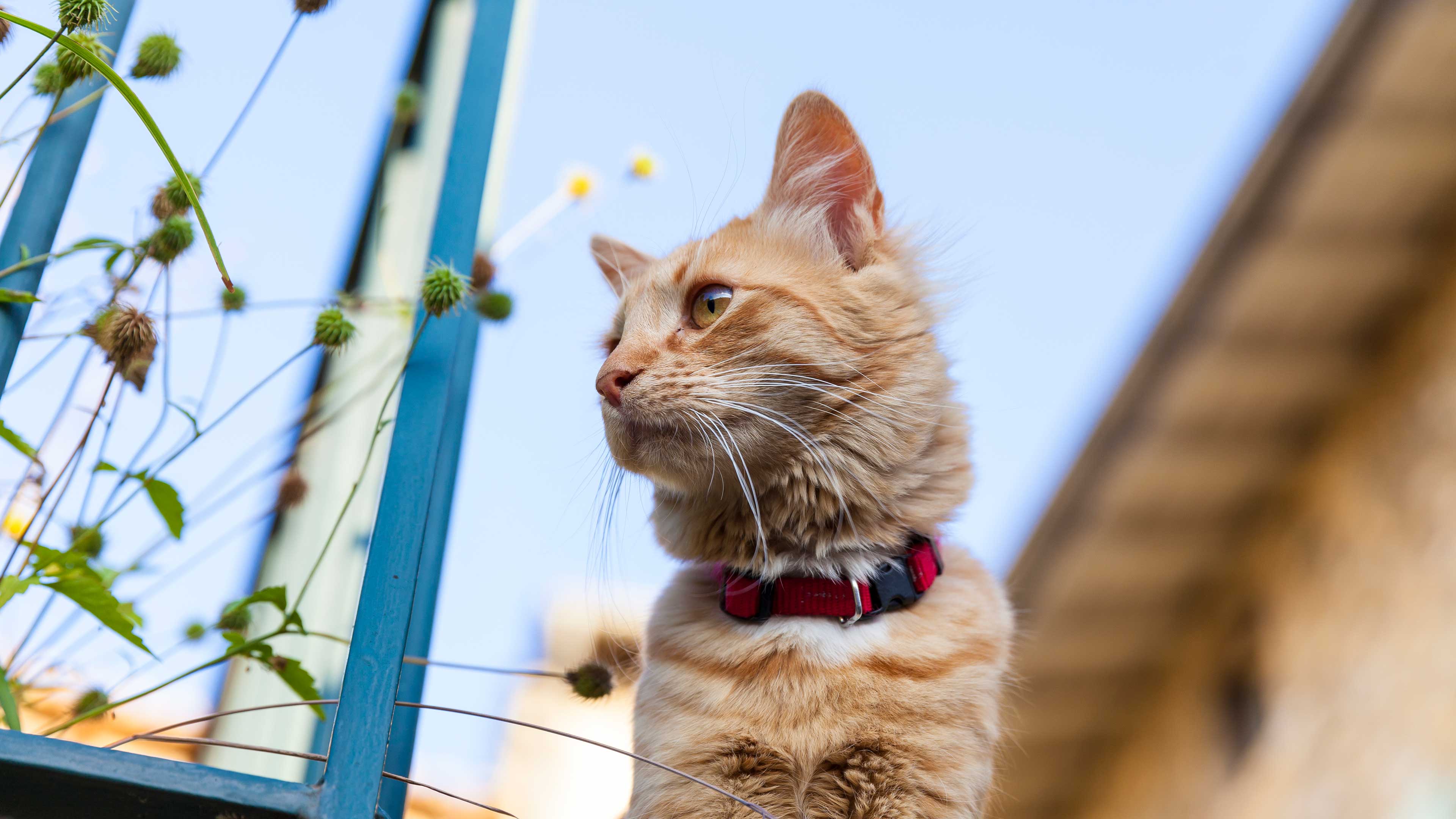
Will my cat get upset when I move?
Like dogs, cats aren’t too keen on change. They, too, are creatures of habit and also highly territorial. Here are some signs to keep an eye on.
Signs of moving anxiety in cats
- Hiding more than usual
- Increased vocalization, such as excessive meowing or crying
- Clinginess
- Loss of appetite
- Excessive grooming
- Restlessness or pacing around the room
- Avoiding the litter box (peeing or pooping in other areas of the house)
How can I transition my pet into a new home?
Moving can feel chaotic for everyone, especially your pet. Before you start unpacking boxes or hanging curtains, try to help them settle in first.
Start with:
- Setting out their food and water bowls
- Setting up their bed and taking out favorite toys
- Creating a familiar safe space, if they had one in your previous home
- Putting out blankets or other items with familiar smells
- Spending extra time together, such as going for a walk or cuddling on the couch
Stick to familiar routines during a move
It's not always easy to maintain your normal routine during a move, but consistency can help pets adjust and be less anxious. Try to keep your morning walks, feeding times, play sessions, and bedtime routines as regular as possible.
For example, if your dog normally gets a walk first thing in the morning, try to continue that habit. If meals are usually at 8 a.m. and 6 p.m., keep those times consistent in your new home. Even small rituals, like dimming the lights at bedtime, can help create a sense of normalcy.
A few additional tips:
- Always provide fresh water.
- Avoid scheduling a vacation immediately after moving.
- Wait before introducing another major change, such as adopting a new pet.
How to reduce anxiety while moving your pet
Some pets need a little extra time to adjust, and that’s normal. Most pets settle in over time, but if you have concerns, reach out to your Banfield veterinary team. They can help support your pet with anxiety medication, training advice, or exercise ideas.
Did you know that with an Optimum Wellness Plan, you can bring your pet to any Banfield location? That makes moving easier on you and your pets. If you do move and you’d like to change your “home” hospital, just call the new location and let the team know. They’ll help you make the change, quick and easy. Find your nearest Banfield Pet Hospital here.
Now all that’s left to do is find the nearest emergency vet, a new pet sitter, and your furry friend’s favorite sniff spots. You’ve got this!








 Pet Chat™


 Appointment details


 Pittsburgh Village East
 847-816-4667


 Notes for the vet

 This is a note for users pertaining to specific appointment types, requests, requirements, or other items.