


 Veterinary care
 Ways to get care
 Visit information
 Pet wellness plans
 Virtual petcare
 Pet Chat™ information
 Locations
 MyBanfield
 Shop packages now
 Request information
 Package FAQs
 NEW! Banfield Access Plan
 Pet health articles
 Puppy care
 Kitten care
 Senior care
 Dental care
 Diet and nutrition
 Ear care
 Parasites
 Fleas
Fleas Ticks
Ticks Mites and mange
 Worms
Worms Skin and coat care
 Mobility
 First aid
 Vaccinations
 End of life care
 Podcast - Not Just Fluff
 Traveling with your pet
 Video vault
 About us
 Contact us
 Newsroom
 Our leadership
 Shop
Shop
 Locations/appointments


 Print
Print
which types of pollen affect dogs and cats the most?
Pollen is an important part of the ecosystem, but let’s face it, it can also be really annoying to sensitive immune systems for humans and pets alike. Allergies caused by pollen are common in dogs and cats, typically causing intense itching, inflamed skin, and hair loss.
While it’s difficult to keep your pet completely away from pollen, we’ve got tips to help minimize your pet’s exposure and discomfort to pollen.
What are pollen allergies?
Pollen allergies are a common type of environmental allergy in both dogs and cats. Environmental allergens such as pollen, dust, and mold are substances in the environment that can trigger allergic reactions. Other types of allergies that dogs and cats may experience are flea allergies, food allergies, and contact allergies (from soaps, shampoos, carpet cleaners, etc.).Common types of pollen that cause allergic reactions
Tree pollen: Many trees produce pollen that can cause an allergic reaction for pets, but the most common culprits are oak, cedar, birch, maple, ash, and elm. Most of these pollens spike in the spring, which is why you often see your dog or cat itching more during the springtime or early summer months.
Grass: You don’t necessarily think of grass when you think of pollen, but grass is often one of the biggest instigators of allergies. Bermuda, rye, fescue, and Kentucky bluegrass are the biggest offenders, and allergies can come from contact with the blades too. Dogs and cats can suffer from grass pollen year-round, but reactions often spike during the spring and fall.
Weeds: Ah, weeds — unsightly AND a major cause of annoying allergies. Common culprits include ragweed, Russian thistle (tumbleweed), and pigweed. These weeds release pollen during the late summer and fall months, so that is when you’ll most likely see your dog or cat having a reaction to them.
Other plants: Dandelions, common ivy, silver inch plant, primrose, daylilies, chrysanthemums, and snailseed vines all create pollens that can make dogs and cats itchy as well.
Which pets are more sensitive: dogs or cats?
Dogs and cats are sensitive to pollen in their own unique ways.
Dogs
Some dog breeds are more prone to developing allergies from environmental factors, but any breed can be susceptible to allergies. Because the majority of dogs will spend some time outside, and are typically good at digging, walking through pollen-covered areas, and running through plants, our little furry friends are magnets for picking up pollen.
Cats
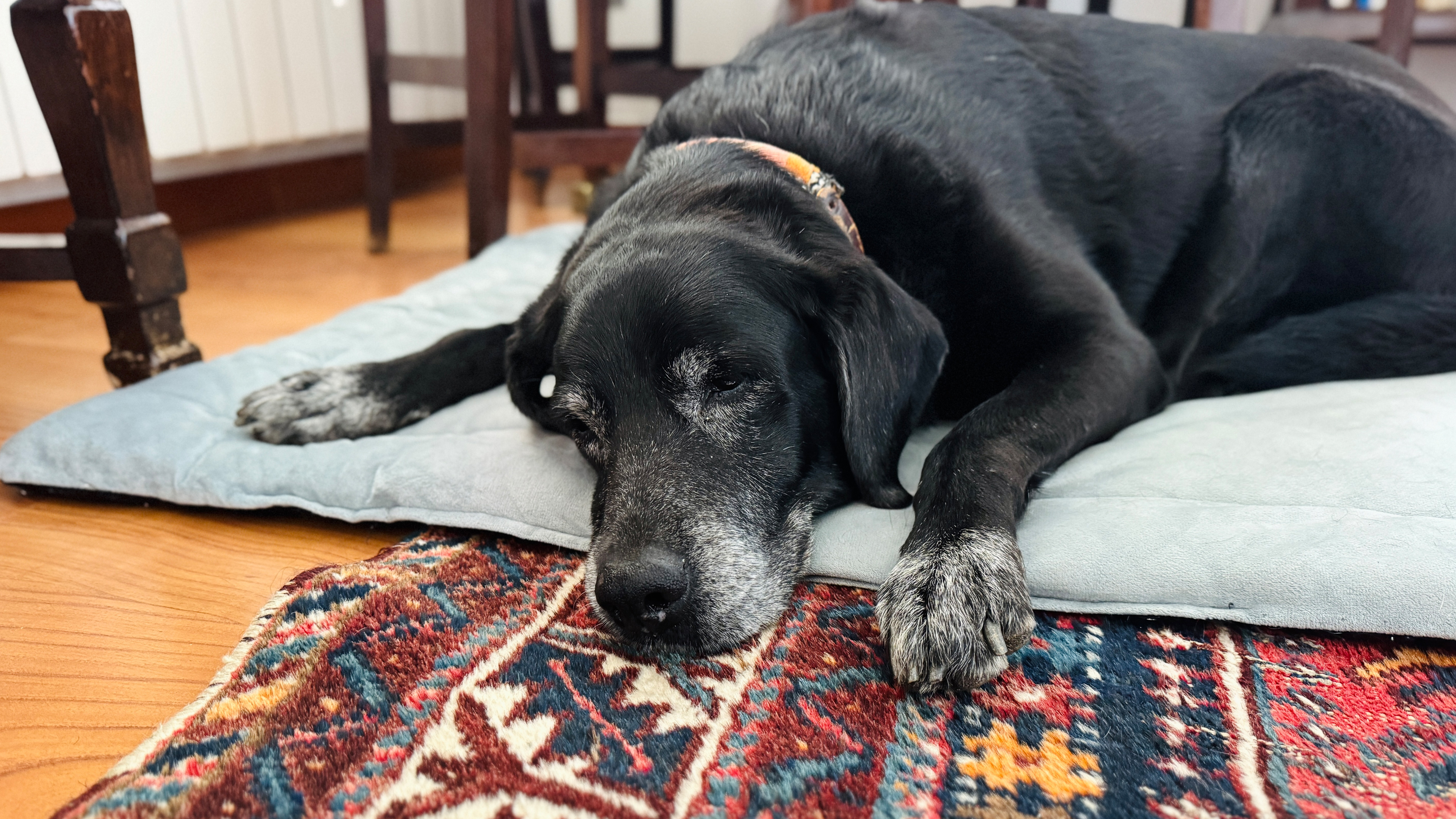
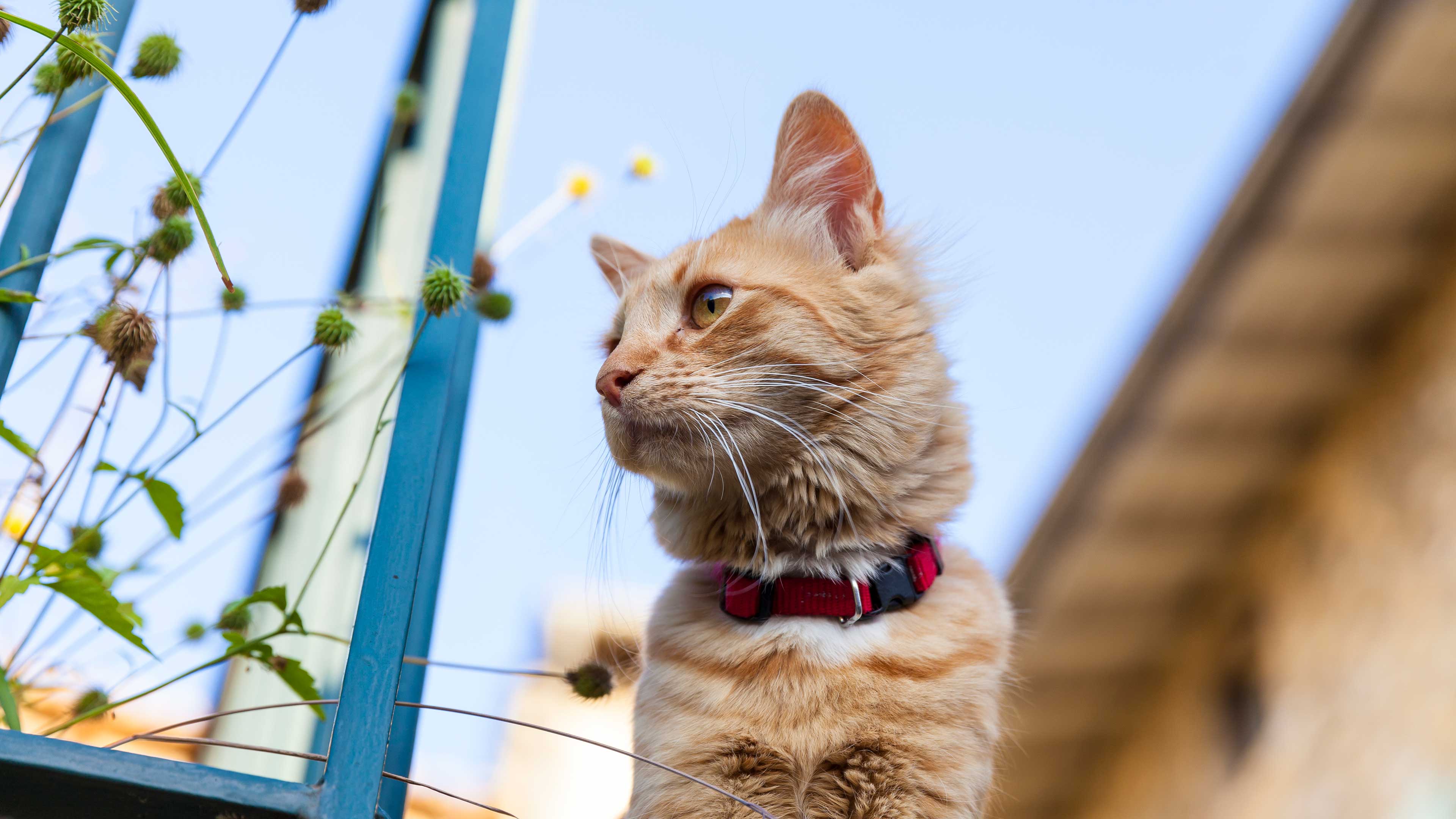
Just because cats often spend more time indoors than dogs, it doesn’t mean they’re immune to the powers of pollen. Any breed of cat can experience allergic reactions. Even indoor cats are likely to be affected by pollen that is tracked inside on clothes and shoes or clinging to window screens.
Signs that your pet has a pollen allergy
Dogs and cats share many of the same signs when it comes to pollen allergies, with a few differences.
Dogs
Scratching, licking, chewing, biting or rubbing skin
Inflamed skin
Ear infections
Eye discharge
Sneezing
Cats
Scratching, licking, chewing, and pulling out fur
Licking paws
Inflamed skin
Ear infections
Watery eyes
If you notice any of these signs, contact your Banfield vet so they can examine your pet and give them the support they need. Your vet might recommend medications, which can include antihistamines, cyclosporine, or steroids as well as medicated shampoos, allergy shots, or specialized diets.
What you can do to help your pet during pollen season
While it’s difficult to keep your pets completely away from pollen, there are steps to help reduce their exposure.
- Wipe their paws after walking or playing outside. You can use water and a towel or pet-appropriate wipes.
- Regularly brush your pet. This helps reduce the pollen that has hitched a ride into the house on their coat.
- Use HEPA air filters to help reduce pollen in the household.
- Regularly wash your pet’s bedding, your own bedding, and any other washable fabric in the household.
- Keep an eye on pollen counts. Many weather apps track and share the pollen count in your area. If you know your pet is sensitive to a particular pollen and it’s high that day, limit their time outside.
- Adjust walk and play to morning or after it rains when pollen is lower.
When to schedule an appointment
Pollen allergies are common and typically non-life-threatening, but getting your dog or cat care sooner than later can help them suffer less. Many pets thrive once their allergies are identified and managed.
Optimum Wellness Plan and Banfield Access Plan™ members save 5%–15% on most pet medication purchases at Banfield.
Important Notice: The information provided on this page is for informational purposes only and is not a substitute for professional veterinary advice. Always consult a veterinarian with any questions regarding your pet's health or medical condition. Never disregard or delay seeking professional veterinary advice based on information from this page.




 Pet Chat™


 Appointment details


 Pittsburgh Village East
 847-816-4667


 Notes for the vet

 This is a note for users pertaining to specific appointment types, requests, requirements, or other items.